
Madi Culture in Nepal: A Glimpse into Traditional Rural Life in the Valley
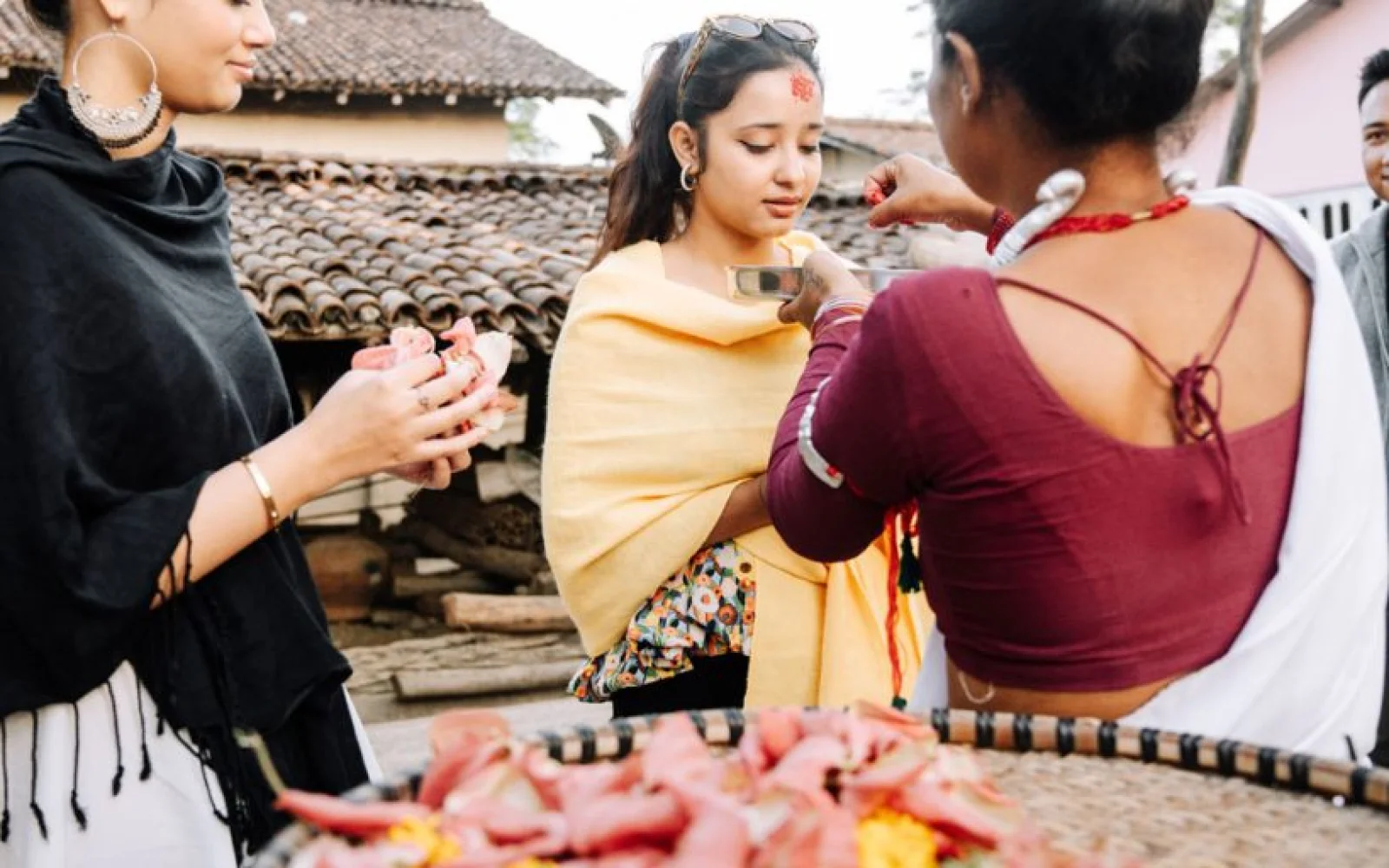
Madi culture is one of the overlooked cultures in Nepal. Located between the Chitwan jungle and the river, Madi is a place where time stands still and tradition endures.
While major tourist spots grab headlines, rural areas like Madi are often missed or misunderstood. Yet there are thousands of stories that have been told for generations, grounded in the rhythms of the land.
As modern life moves quickly, centuries-old wisdom in places like Madi is at risk of fading away. Traditional farming, oral storytelling, and seasonal celebrations are becoming rare. However, their simple yet powerful ways of life offer valuable lessons in balance, sustainability, and belonging.
This blog provides a clear view into Madi culture: its people, daily lives, food, homes, and festivals and how Kasara Chitwan promotes this local culture and village.
The Roots of Madi Culture
Madi is located in the Chitwan District of Nepal, surrounded by forests and hills, a land cradled by nature. Around 50,000 people live in this area, and it is home to Tharu, Magar, Brahmin-Chhetri, among other groups. Together, these communities keep alive their rural life in Nepal through stories passed down each season.
They tell their history by the river’s flow, through farming cycles, and in village folklore, living traditions shaped by their environment. Over the years, the local village of Chitwan has witnessed significant transformations in its social and cultural aspects.
The valley’s fertile plains, fed by the Rapti River, support lush rice and maize fields. Its location near Chitwan National Park means wildlife shares the same land as farmers. Through oral stories about floods, harvests, and nature, Madi culture grows rooted in the earth and seasons.
Daily Life in Madi Villages – Farming, Fishing & Family
Most families in Madi farm rice, maize, and mustard every year. These fields are planted and harvested following the monsoons. In the past decade, fish ponds have become part of farming life to prevent wildlife like elephants and rhinos from destroying crops. Fish farming now provides a steady income for many locals.
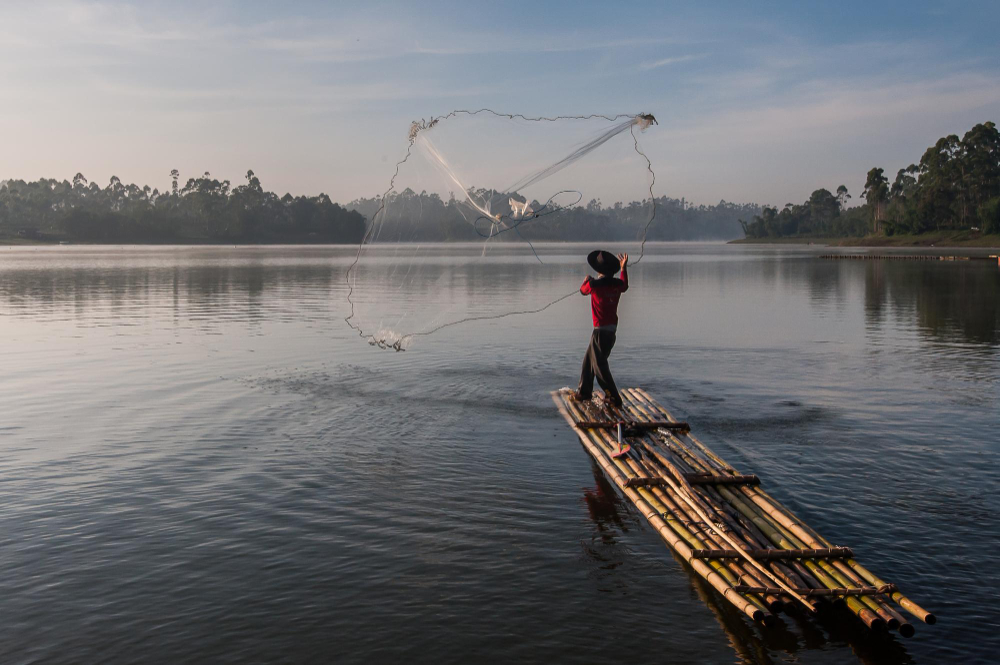
Fishing is done with bamboo traps in streams, a skill passed down through generations. The river also provides water for livestock like goats and cows. Daily life is shaped by the sunrise: children gather water, elders oversee cooking, and everyone works the fields together.
Women take an active role: preparing meals, tending animals, and watering seeds. Elders guide the community through prayers, and shared chores bring them closer together. Together, they support traditional farming in Nepal with their hands, hearts, and traditions.
Recommended Reads: Exploring Tharu Culture in Chitwan: A Journey Through Tradition, Dance, and Heritage
Architecture & Household Life – Built by Nature
Homes in Madi reflect the landscape. They are built from local materials like bamboo, mud, thatch, and cow dung—cool in summer and warm in winter. Raised a bit off the ground to resist floods, these structures are practical and gentle on nature.
Inside, the hearth is the heart. It holds clay stoves for slow-cooked meals and a place for the family to gather. Earthen floors and open courtyards help with ventilation and community ties. Shelves store grain, and woven bamboo mats double as beds and table spaces for guests. These homes show how the Tharu lifestyle blends with nature—simple, practical, and full of culture.
Festivals, Faith & Family Ties in Madi Culture
Festivals mark the beating heart of Madi culture. Maghi, the Tharu New Year, is celebrated in January with feasts and celebrations.
Chhath, dedicated to the Sun God, brings families together at riversides. Tihar and Teej light up homes with lamps and songs.
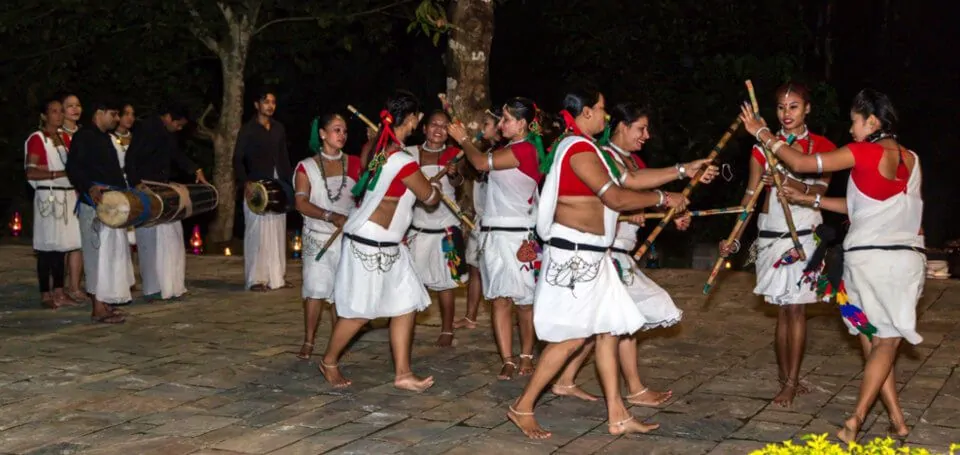
During festivals, villages come alive. Tharu women perform Sakhiya dance, holding pumpkin leaves, wearing beads, dancing for fertility and health. Magar dancers perform Sorathi and Maruni, colorful, musical dances that celebrate community and mythology.
Temple rituals and elder-led prayers show the communal faith that binds them. These festivals keep Madi culture strong, memorable, and shared.
Traditional Food Culture in Madi – Cooked with Fire, Served with Pride
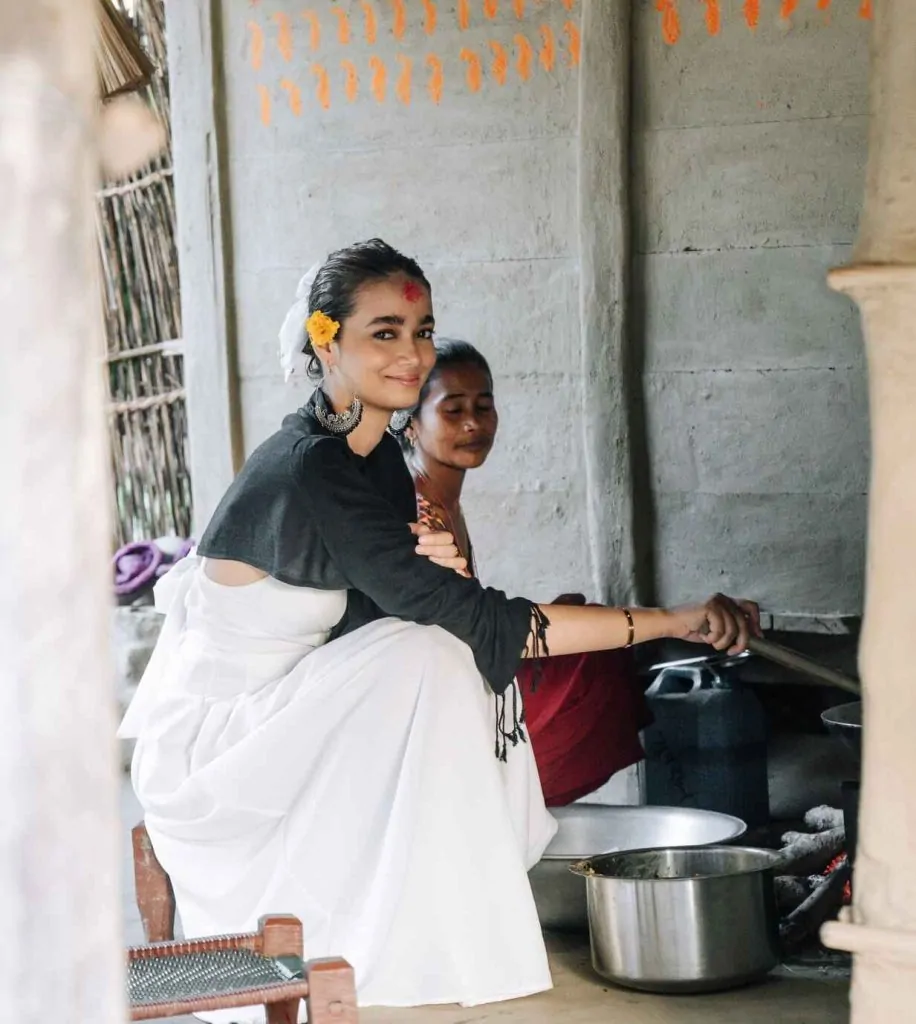
In Madi culture, food is much more than just something to eat; it’s how people welcome you, share love, and celebrate life. Meals are simple, but full of flavor and meaning. Most cooking is done over a woodfire, giving the food a smoky, earthy taste that’s hard to find elsewhere.
The people of Madi, especially the Tharu community, still use clay stoves and cook slowly using homegrown ingredients. Vegetables come straight from the garden. Spices are hand-ground. Rice and lentils are stored in clay pots. Every dish is made with care and passed down from one generation to the next.
Here are some traditional foods you’ll find in a Madi village:
- Dhikri – Soft steamed rice flour shaped like fingers or rolls. Usually eaten with spicy chutney, chicken curry, or lentil soup.
- Ghonghi – A true local delicacy! These are river snails cooked with garlic, chili, and turmeric. People eat them with toothpicks and love their chewy texture.
- Jhinga – Freshwater prawns stir-fried with mustard oil, onions, and green chilies. Sometimes made into a curry too.
- Chihhar – Roasted rice mixed with fried soybeans, peanuts, or lentils. Crunchy, healthy, and often eaten as a snack during festivals.
- Bagiya – Stuffed rice flour dumplings filled with sweet lentils or coconut. Served during special occasions like Maghi or Tihar.
- Chyang – Homemade rice beer served in clay cups. It’s cloudy, slightly sour, and always shared with guests during celebrations.
Food in Madi is deeply tied to festivals and the Tharu lifestyle (local culture). People cook in big groups, laugh around the fire, and always offer guests the first bite. It’s not just about eating—it’s about being together.
Highlight of Experience in Madi with Kasara
Visiting Madi with Kasara Chitwan brings all this culture to life. After a scenic drive through Chitwan National Park, you’ll arrived at Madi Village and spend a cultural evening at Madi.
Activities guests enjoy:
- A guided Madi village walk.
- Preparing Tharu dishes over firewood with locals.
- Evening storytelling and folk songs around a hearth.
- Learning rice farming and fish pond techniques.
- Staying in eco-friendly guest rooms that honor local design.
This experience respects Madi culture, promoting Tharu lifestyle, and invites visitors to connect with the land and people. Kasara’s village immersion is eco-conscious, educational, and heartwarming.
Recommendation: Explore other experiences of Kasara Chitwan
Conclusion
Madi culture is a living story—a gentle rhythm of life shaped by the land, the seasons, and the people who care deeply for both. From the quiet rhythm of farm life to the joyful sounds of Tharu dances, everything in Madi is rooted in respect for nature, for family, and for tradition.
In a fast-changing world, places like Madi remind us how beautiful and balanced life can be when people live close to the land and care for each other.
By visiting Madi, you’re not just exploring rural life in Nepal—you’re helping preserve a way of life that’s slowly disappearing. Your presence supports local families and shows that their traditions matter.
Book your visit with Kasara Chitwan to experience Madi through guided village walks, home-cooked meals, and cultural evenings under the stars.
FAQs
1. What makes Madi culture different from other parts of Nepal?
Madi culture values shared farming, river traditions, and seasonal heritage rooted in oral stories—making it a warm, community-centered place.
2. Can tourists experience village life in Madi?
Yes. Kasara Chitwan’s cultural immersion offers guided village walks, food prep, dance evenings, and farm visits alongside local families.
3. What traditional foods do Madi locals eat?
They enjoy wood‑cooked dishes like Dhikri, Ghonghi, Jhinga, and drink Chyang at celebrations—each meal woven with local flavor and history.
4. How is farming done differently in Madi?
Farming here is community-based, organic, and aligned with nature’s cycles. Fish ponds now work to protect crops and support families economically.
5. How many cultures are there in Nepal?
Nepal hosts over 125 ethnic groups. Madi’s Tharu, Magar, Brahmin-Chhetri, and others contribute to this rich cultural patchwork.