
Jeep Safari vs. Jungle Walk in Chitwan: Which Adventure is Right for You?
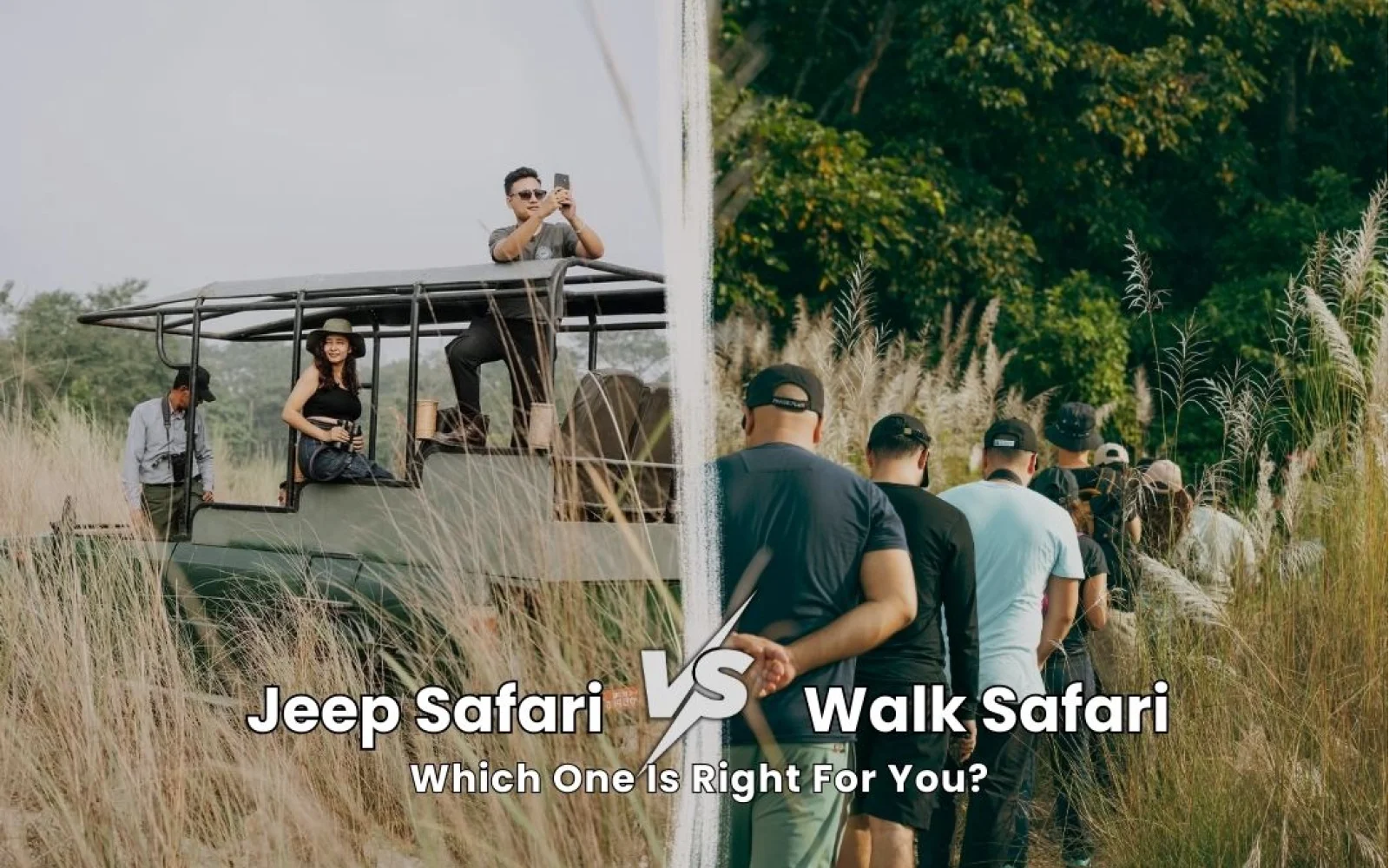
There are two options for exploring a wildlife adventure in Chitwan National Park: a Jeep Safari or a walking tour. Both approaches offer distinct benefits and provide a genuine experience of one of Nepal’s most biodiverse landscapes. But they deliver completely on different perspectives.
This blog aims to give you a detail about this so you can choose wisely or ideally, experience both during your visit to Chitwan.
Jeep Safari
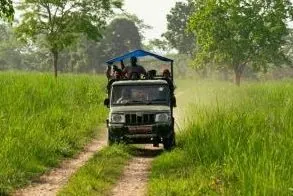
A jeep safari takes you deep into Chitwan’s jungle in an open 4×4 vehicle, led by experienced naturalists who know the park inside out. These safaris usually run early in the morning or late afternoon, when wildlife is most active and the forest feels alive.
At Kasara Chitwan, guides follow forest tracks with a calm, observant approach, stopping whenever something draws attention: a one-horned rhino grazing nearby, birds moving through the trees, or fresh tiger footprints along the trail. Sitting higher in the jeep makes it easier to spot animals in tall grass or across open clearings.
The jeeps are a familiar presence within the park, allowing animals to remain at ease while you observe them up close. This makes the experience peaceful rather than intrusive. In a single drive, you can cover 15 to 20 kilometers and explore different habitats, from grasslands to riverine forests.
What this really means is comfort without distance. You get a smooth ride into the heart of Chitwan, the chance to see more wildlife in less time, and the freedom to enjoy the jungle without rushing or disruption.
Jungle Walk
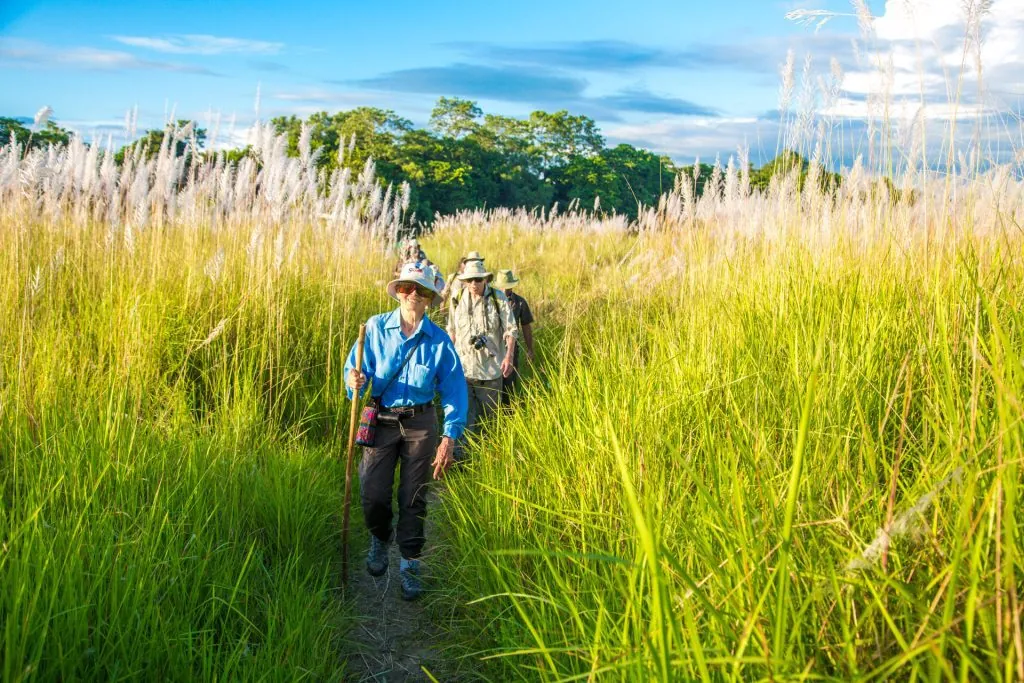
A jungle walk is completely different. It’s a slow, guided walk through the jungle on foot, led by trained nature experts who help to understand the jungle around you.
You walk quietly along small trails with your guide spotting signs you might miss. Every bent branch, scratch mark, or animal sound tells a story about the forest life around you.
What makes it special is being right in the middle of nature. On a jungle walk, you feel the ground beneath your feet. You hear leaves moving, smell the fresh earth, and notice the air change as you walk from sunny areas into shade. This experience at Kasara Chitwan helps you see and feel parts of the jungle that a vehicle cannot show.
Wildlife encounters on a jungle walk feel personal and unfiltered. You might spot monkeys moving through the trees, a lizard crossing the path, or even observe a rhino from a safe distance. Because you’re moving slowly and quietly, every moment feels intentional– a chance to experience the jungle at its own pace, not yours.
Jeep Safari vs Jungle Walk: Key Differences
Here’s a straightforward comparison of how these two safari experiences compare across critical dimensions:
| Aspect | Jeep Safari | Jungle Walk |
| Wildlife Visibility | Broader range, easier large animal spotting | Intimate, closer encounters |
| Distance Covered | 15–20 km | 3–6 km |
| Speed and Comfort | Faster, seated, weather-protected | Slow, on foot, physically engaging |
| Level of Adventure | Moderate, controlled environment | Higher, more unpredictable |
| Group Size | 6–10 people per vehicle | 2–6 people per guide |
| Noise Level | Engine and movement sounds | Quiet, natural soundscape |
| Learning Depth | Overview and identification | Deep ecological understanding |
Jeep Safari vs Jungle Walk: Two Very Different Ways to Explore Chitwan National Park
Terrain and wildlife in Chitwan: Chitwan has many types of landscapes, including thick forests, tall grasslands, rivers, and wetlands. These areas are home to one-horned rhinos, Bengal tigers, sloth bears, crocodiles, wild elephants, and more than 500 kinds of birds. Because the park has such a mix of habitats, both jeep safaris and jungle walks are great ways to explore it.
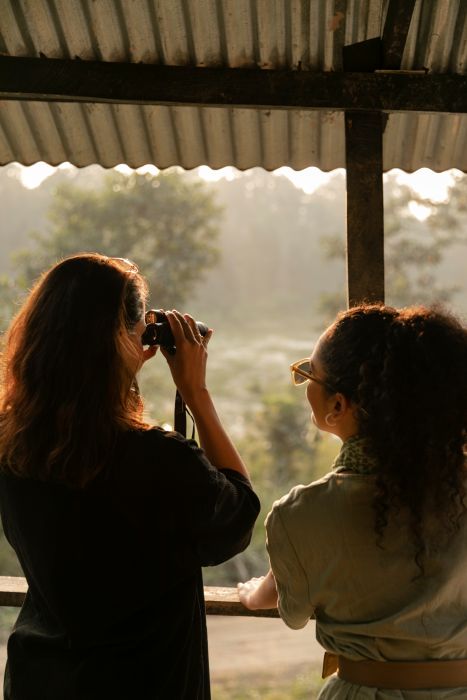
What each safari offers specifically: The jeep safari or jungle walk in Chitwan ultimately depends on your priorities. Jeep safaris excel at covering Chitwan’s extensive grasslands where rhinos congregate and scanning riverbanks for basking crocodiles.
Jungle walks take you into quieter forested sections where you can track deer movements, observe langur troops, and deepen your understanding of the park’s remarkable plant diversity and ecosystem dynamics.
Further Read: Animals to Spot in Chitwan Jungle Safari: Your Easy Guide to Wildlife Fun
When one makes more sense than the other: For first-time visitors or those with limited time, beginning with a jeep safari provides excellent park orientation.
If you’ve experienced jeep safaris elsewhere or seek a deeper connection beyond wildlife spotting, opt for the jungle walk.
However, at Kasara Chitwan, most guests discover that combining both approaches creates the most complete and satisfying experience of this remarkable national park.
Which Safari Is Better for You?
For Families and First-Time Visitors
If you are traveling with children, older family members, or visiting the jungle for the first time, a jeep safari is a comfortable and easy choice. Everyone stays seated and protected from sun and weather, while covering large areas without getting tired.
Children usually enjoy the jeep ride, and parents feel relaxed knowing the environment is safe and controlled. It is also easier to handle breaks, snacks, and short attention spans. At Kasara Chitwan, well-maintained jeeps make the safari enjoyable and accessible for guests of all ages.
For Nature Lovers and Bird Watchers
If you want to experience the jungle up close, a jungle walk is the best choice. Walking quietly lets you hear birds, identify them by their calls, and watch animals behaving naturally without being disturbed. You’ll also notice insects, mushrooms, plants, and small creatures that a vehicle would miss. Moving slowly on foot and being patient make these discoveries even more rewarding.
Further Read: Jungle Safari in Chitwan: What to Expect on Your Adventure Activities
For Photographers
Photographers notice different benefits in each option. Jeeps are steady and let you take clear photos of large animals from afar, especially with zoom lenses. Jungle walks are slower and quieter, so you can take close-up photos of small animals, plants, and insects.
The light inside the forest is also softer and nicer. If you like taking pictures of nature, flowers, or tiny creatures, walking works better. If you want fast action photos of large animals in open areas, a jeep safari is the better choice.
For Adventure Seekers
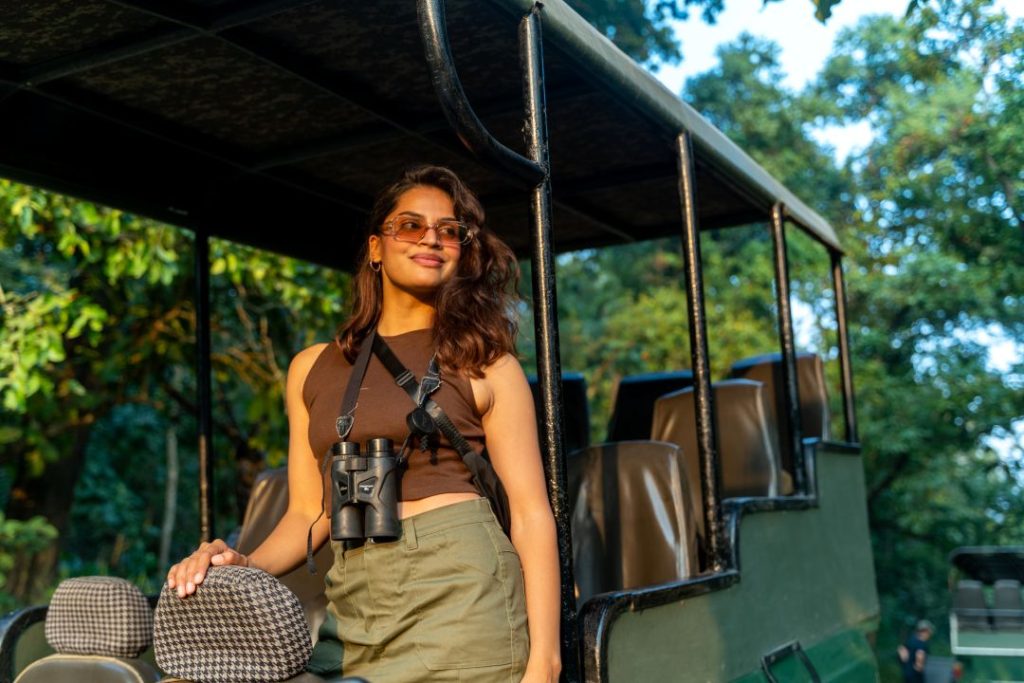
For those looking to experience a real thrill, the Jungle Walk is perfect. This led to walking through the forest, staying alert, and paying close attention to everything around you. Each step feels exciting because you never know what you might see.
A jeep safari feels adventurous in a different way. You travel far, explore large areas, and may spot rare animals across open land and forests. Both are true adventures. They just feel excited in different ways.
Safety, Comfort, and Accessibility Compared
Both safari options are safe, but only when they are done properly. Since Jungle walks are led by certified guides who actually understand animal behavior and keep a close watch on the surroundings. Every walk begins with the guides giving a briefing on safety rules, routes, and changes in uncertainty to guests.
Jeep safaris feel even more secure because you remain inside a sturdy vehicle with an experienced driver and naturalist. Animals are used to safari jeeps, which makes the experience calm and controlled.
Physical effort is minimal, making it suitable for all ages. Jungle walks require moderate fitness, as you walk for a few hours on natural terrain, so they suit guests who are comfortable being on their feet.
Can We Do Both?
Yes, and it’s highly recommended. Combining a jeep safari with a jungle walk gives the best of both worlds.
The jeep safari lets you cover large areas of the park, see big animals, and understand the layout of habitats. The jungle walk adds depth, bringing you closer to smaller wildlife, birds, plants, and subtle details you’d otherwise miss.
Starting with the jeep builds confidence and orientation, followed by a walk, allows a slower, more immersive connection with nature. Together, these experiences provide richer wildlife sightings, deeper ecological understanding, and lasting memories of Chitwan National Park.
Conclusion
If comfort, range, and maximum probability of seeing large mammals matter most, choose a jeep safari. If immersion, learning, and slower sensory-rich experience resonate more deeply, select a jungle walk.
For families or guests with mobility considerations, the jeep makes practical sense. For solo travelers, nature enthusiasts, or those who find peace in mindful walking, the jungle walk will likely prove more meaningful.
But here’s the essential truth: both are perfect for everyone in their own distinct way. The jeep safari brings you remarkably close to wild nature without compromise on comfort or accessibility. The jungle walk places you within nature itself.
Ideally, don’t choose between them. Experience both during your stay at Chitwan, where expert naturalists ensure each adventure reveals different facets of Chitwan’s extraordinary wilderness.
FAQs
Which safari is better for wildlife spotting?
Jeep safaris typically offer more total sightings because of the extensive ground covered. Jungle walks provide fewer but more intimate, memorable encounters.
Is jungle walk safe in Chitwan?
Yes, very safe when conducted with experienced naturalists like those at Kasara Chitwan. They’re extensively trained in wildlife behavior and prioritize your safety throughout.
Jeep safari vs jungle walk for kids?
Jeep safaris work better for younger children due to comfort factors and shorter attention span requirements. Older children who enjoy hiking may absolutely love jungle walks.
How long does each safari last?
Jeep safaris typically run 3–4 hours. Jungle walks usually last 2–3 hours, depending on pace, trail conditions, and sightings encountered.
What should I wear for a jungle walk?
Comfortable closed-toe walking shoes, neutral-colored lightweight clothing, a hat for sun protection, and sunscreen. Avoid bright colors and strong perfumes that might disturb wildlife.