

Animals to Spot in Chitwan Jungle Safari: Your Easy Guide to Wildlife Fun
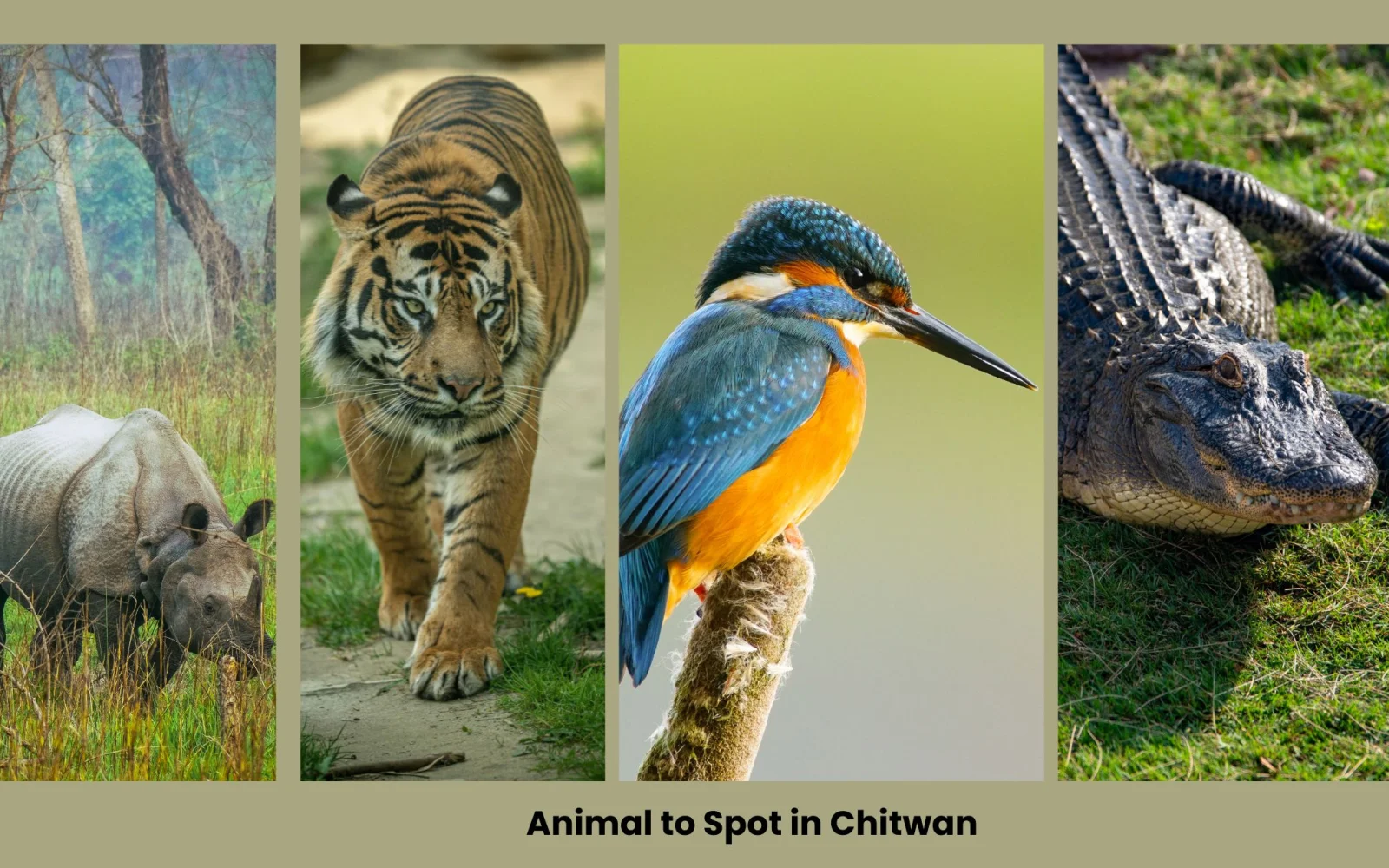
Imagine you’re sitting in an open jeep, rolling through the tall grasslands of Chitwan as the morning mist lifts. Suddenly, your guide points ahead and you see a one-horned rhino walking out from the bushes, just meters away from you!
This is a magic that happens every day at the Chitwan National Park safari adventure. Located in Nepal’s lowlands, Chitwan is home to many exciting wildlife species you’ll ever see. Whether you’re planning your first jungle safari or coming back for more, knowing which animals to spot in Chitwan makes your trip way more fun.
This Kasara Chitwan’s blog will cover exactly what animals to spot in Chitwan jungle safari, where they hang out, and the best times to see them.
Why Chitwan National Park Safari is a Wildlife Lover’s Dream
Chitwan National Park is a special place for many wildlife lovers. Why not when you can see every animal from a single place?
A thick sal forest where tigers hide and hunt. A tall grassland where one-horned rhinos gaze. A big river like the Rapti and Narayani, where animals get fresh water and cool spots to swim. This is an actual reason why Chitwan is one of the best-protected parks in Asia.
The animals here aren’t super scared of safari vehicles, so you get closer views. Your guide will know the land like their own backyard, meaning you have a better chance of finding rare wildlife species during your trip.
Quick Facts on Chitwan’s Wildlife Species
- 68 types of mammals including the famous one-horned rhino and Bengal tiger
- Over 500 bird species from tiny sunbirds to massive hornbills (that’s more birds than in all of Europe!)
- 56 kinds of reptiles and amphibians like gharial crocodiles and monitor lizards
- Home to endangered species such as the pangolin, wild elephant, and four types of deer
- Home to over 120 species of fish, thriving in the Narayani, Rapti, and Reu rivers
- UNESCO World Heritage Site since 1984, recognized for its exceptional
- Covers 952 sq. km, stretching across the lowland Terai region of
- Tiger population has doubled in the past decade thanks to strong conservation efforts
Top Mammals
Here’s the list of animals that make your safari unforgettable. Some you’ll definitely see, other requires patience and luck, but knowing what to look for and where they hang out doubles your chances of amazing encounters.
1. Bengal Tiger
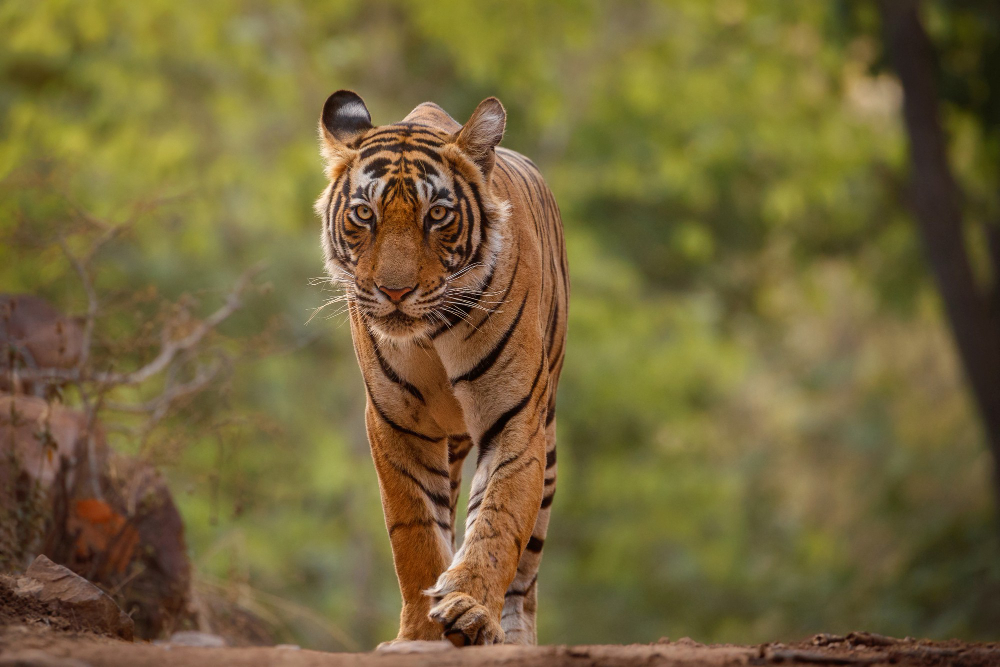
The Bengal tiger is a superstar Wildlife species that everyone wants to spot on their jungle safari, but only a few get lucky to witness them with their own eyes. With orange fur covered in black stripes and white bellies, these big cats are absolutely stunning.
Your best chance? Early morning Jungle safaris through the dense sal forests near rivers, especially on hot days. Tigers love water and often rest near streams. Fun facts alert: Tigers are fantastic swimmers and actually enjoy playing in water, unlike house cats who hate getting wet!
2. Greater One-Horned Rhino
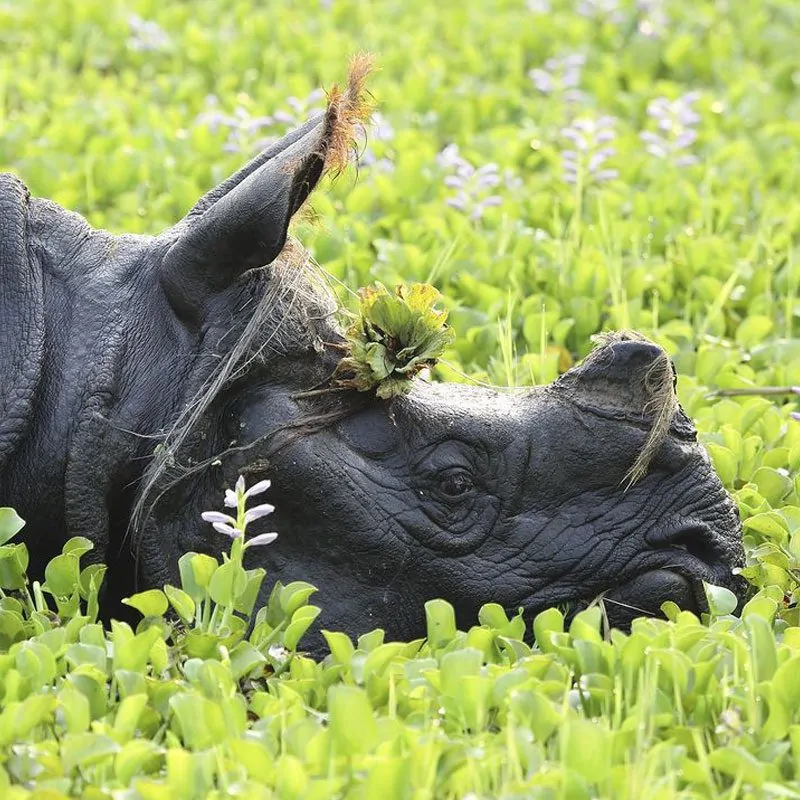
If you spot only one animal during your Chitwan Safari, it’ll probably be a rhino (Ghaidas). Over 600 rhinos have made shelter in Nepal’s oldest national park, making it easier to spot on a jungle safari.
Spotting them is easier. You can choose a Jeep safari to head to the grasslands or a canoe ride along the big rivers; they love to wallow in mud to stay cool. They’re usually a chill species, but keeping your distance is best. Rest, your guide will do their work!
3. Asian Elephant
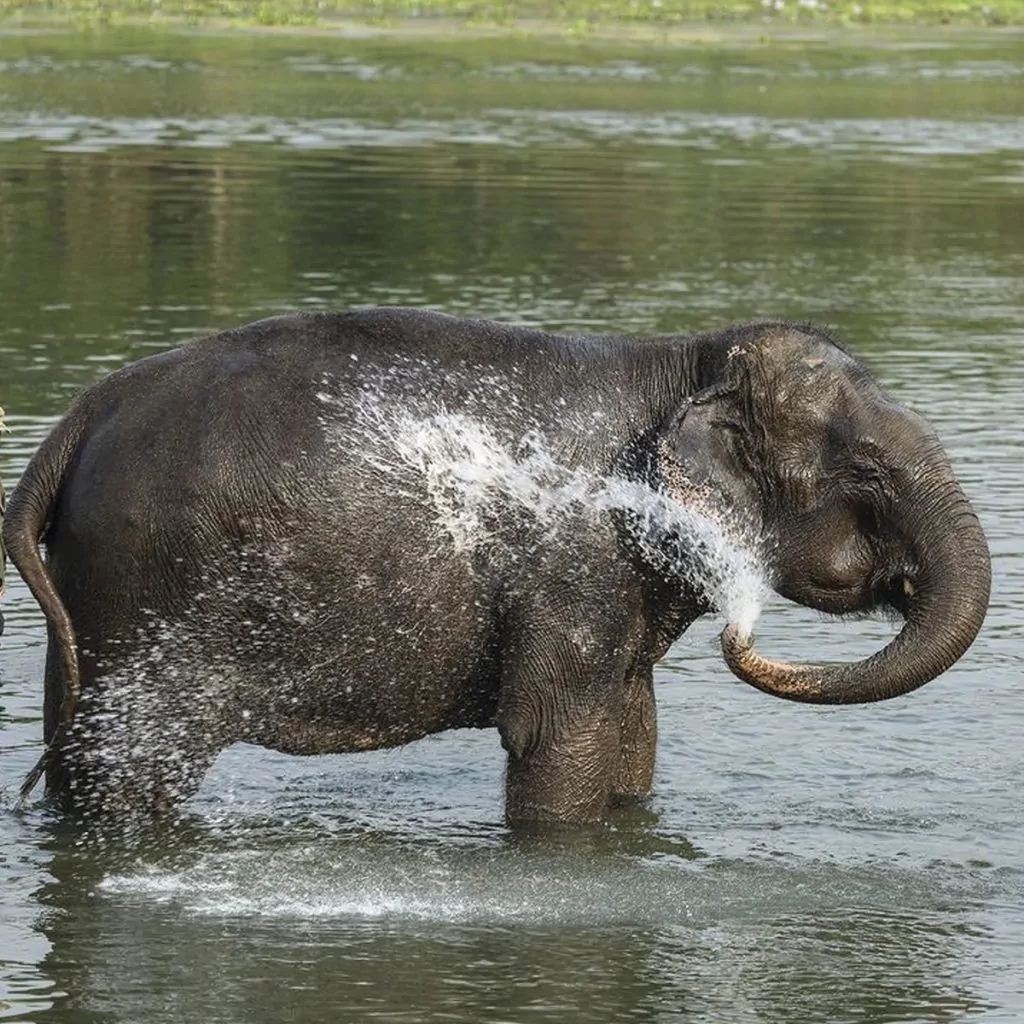
Usually, Asian elephants roam Chitwan in small herds, usually led by the oldest female. They’re smaller than African elephants, with smaller ears and a humped back. Males can stand 3 meters tall at the shoulder.
Spot them near water sources during late afternoon, especially in the western parts of the park. They eat for 16 hours a day and need tons of leaves, bark, and grass. Watch how they use their trunks like magical tools—for eating, drinking, bathing, and even hugging each other!
4. Indian Leopard
Another great animal to spot in the Chitwan jungle safari is the Indian Leopard. These wildlife species are the ghosts of the Chitwan, as spotting them is way harder than tigers because they’re super shy and get out only at night for hunting. They’re smaller than tigers with beautiful rosette patterns on golden-yellow fur.
Your slim chance of seeing one? Dusk safaris near rocky areas and thick forests. They’re expert tree climbers and sometimes drag their prey up branches to eat in peace.
5. Spotted Deer (Chital)
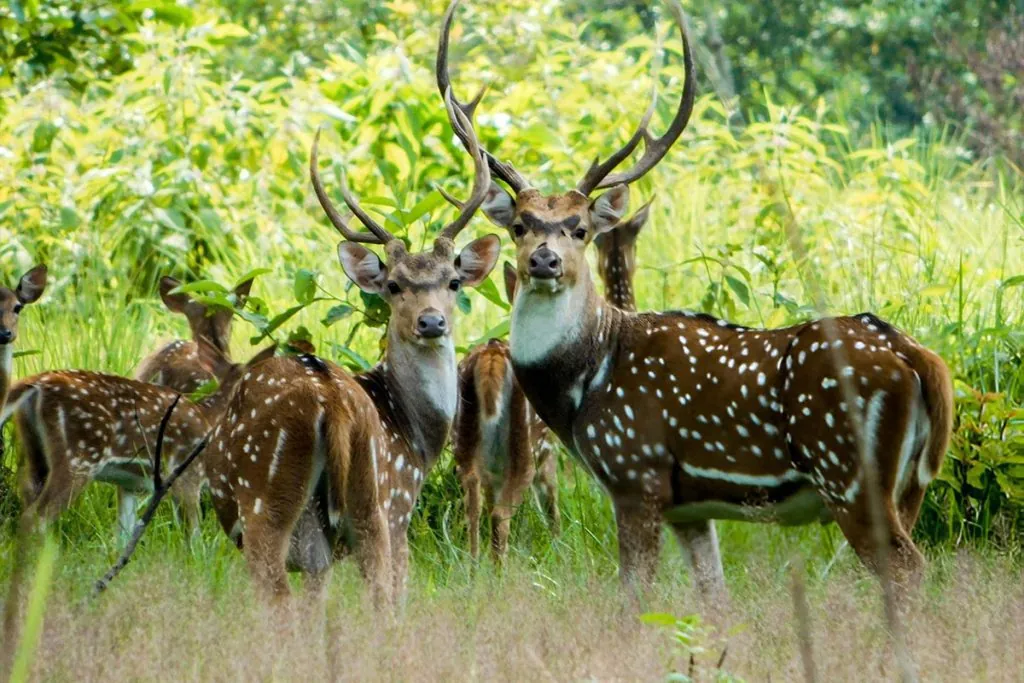
These pretty deer are everywhere in Chitwan! They have reddish-brown coats with white spots that remain even as they grow. You’ll see herds grazing in open areas, especially near forest edges during morning and evening. Listen to their sharp alarm calls—it often means a tiger or leopard is nearby!
6. Wild Boar
If you see a hairy pig with a long snout, it’s a wild boar. Although these species are tougher to spot, you’ll mostly find them digging around in muddy areas and on forest floors, searching for roots, insects, and pretty much anything edible. Wild boars are super smart and have an incredible sense of smell—better than dogs
7. Rhesu Macaque and Langur Monkeys
Two monkey species steal the show in Chitwan. Rhesus macaques are reddish-brown with bare pink faces and short tails. Langur monkeys are gray with black faces and super long tails.
You’ll see them everywhere—swinging through trees, stealing snacks, and making funny faces. Langurs are calm and eat mostly leaves, while rhesus macaques are bold troublemakers.
Recommended Reads: The Ultimate Guide to Activities in Chitwan (From Adventure Safaris to Cultural Tours)
Reptiles and Amphibians
Reptiles to spot in Chitwan Jungle safari might give you goosebumps, but they’re totally fascinating! Here are some reptiles.
1. Gharial Crocodile
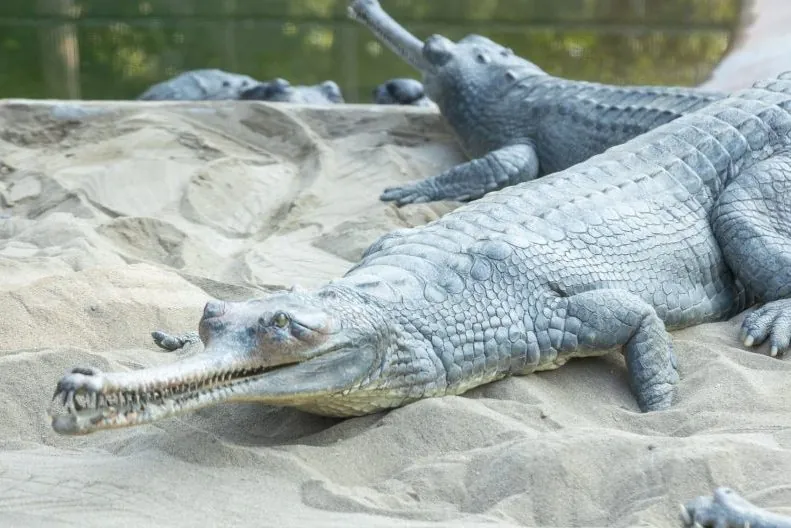
The gharial looks like a dinosaur that forgot to go extinct! This skinny-snouted crocodile can grow over 4 meters long. They use their weird, long nose for catching fish without scaring them away. The best place to spot:
- Rapti and Narayani River banks
- Basking on sandbars during sunny mornings
- Breeding center near Kasara for guaranteed close views
2. Mugger Croc and Python
Mugger Crocodile: Stockier and meaner-looking than gharials with a broad snout. They eat fish, birds, and sometimes small mammals. Spot them in marshes and slower river sections—they’re expert ambush hunters.
Indian Python: Pythons are non-venomous snakes that grow up to 4 meters and squeeze their prey. They’re a shy type of nature and only get active at night. Look for them near water sources or coiled up in tree branches.
Where to spot:
- Oxbow lakes and wetlands
- Dense vegetation near riverbanks
- Early morning or dusk safaris for the best chances
Birds
With more than 500 bird species, Chitwan is a hub for birdwatching. Every season brings a different feathered visitor, including amazing travelers from Europe and Asia to this natural shelter.
1. Bengal Florican
This endangered bird is among the rarest in Chitwan, often spotted early in the morning in Beeshazari Tal and Gressland areas near Sauraha. You can see a male bird performing a wild jumping dances during mating season (March-April) in an open grassland.
2. Great Hornbill
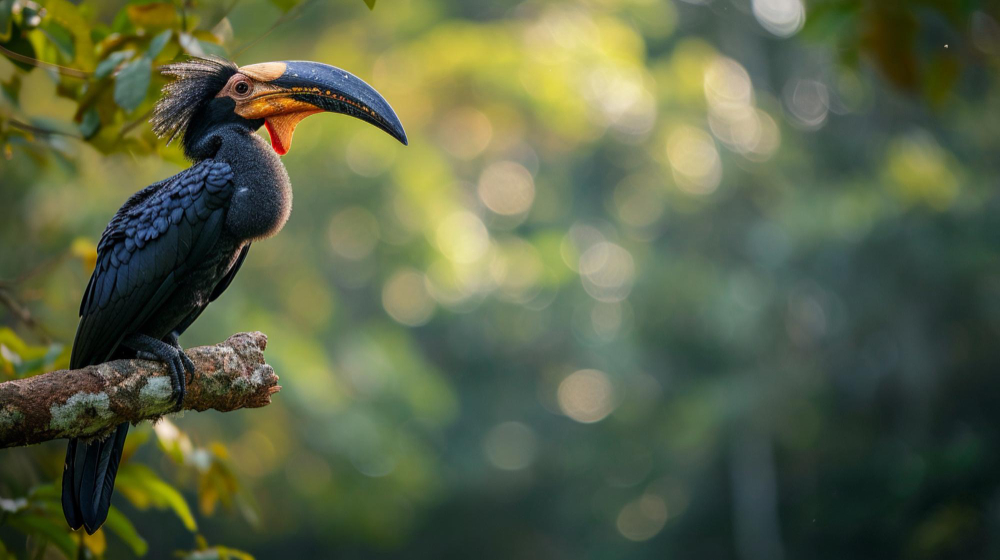
You’ll hear this giant bird before you see it! The Great Hornbill makes loud whooshing sounds when flying. They have massive yellow beaks with a horn-like structure on top (called a casque). These fruit-lovers hang out in tall forest trees.
3. Sarus Crane
Standing nearly 6 feet tall, Sarus Cranes are the world’s tallest flying birds! These gorgeous gray birds have bright red heads and necks. They mate for life and do beautiful dancing displays together. Spot them in pairs near wetlands and agricultural fields. These birds are often found year-round on marshes, paddy fields, and the park’s wetland zones.
4. Bar-Headed Goose
These incredible geese migrate from Europe and Central Asia, flying over the mountains at heights where planes fly! They have two distinctive black bars on their white heads. Winter months (November-February) bring thousands to Chitwan’s rivers and lakes. They’re part of the amazing bird migration that brings European species to Chitwan every winter!
5. Common Kingfisher
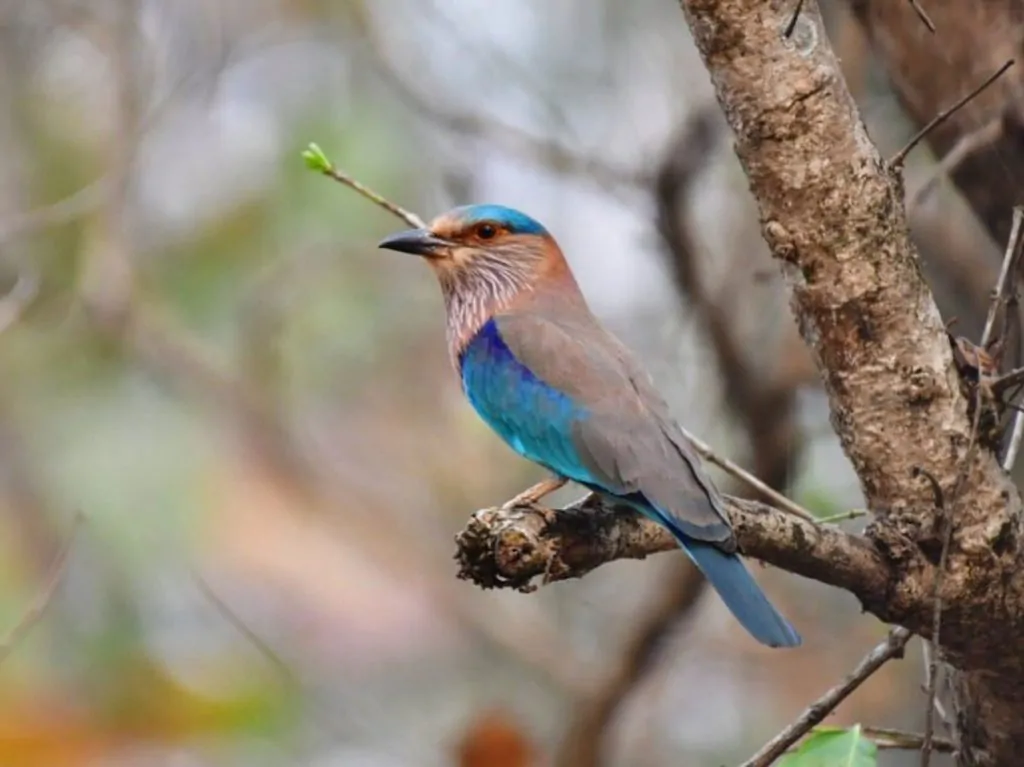
This tiny bird packs serious color! Bright blue back, orange belly, and a dagger-like beak perfect for spearing fish. Watch them dive-bomb into rivers from overhanging branches. They’re lightning-fast hunters. Best viewing: Any water body—rivers, ponds, streams. Morning and evening when fish are active.
6. Rose-Ringed Parakeet
These bright green parrots with red beaks are everywhere! Males sport a pink and black ring around their necks. They travel in noisy flocks, squawking and chattering in trees. Super social and fun to watch!
Recommended Reads: 7 reasons to visit Chitwan National Park
Best Ways to Spot Wildlife Species
Jeep and Canoe rides are perfect for Chitwan sightseeing. To explore the tall grasslands and sal tree forests, go on a Jeep safari. You’ll cover way more ground than walking, hitting different zones where various animals hang out. Jeeps can stop anywhere, giving you time to watch rhinos grazing or wait for a tiger to cross your path.
For experiencing the pure magic of reptile and bird watching, a Canoe trip gets you super close. The animals don’t hear you coming, so you catch them doing their thing naturally.
Insider tips: Pair both safaris! A Jeep safari covers mammals, while canoeing the water species. Many hotels and resorts offer tour packages that include combo deals.
Tips for Ethical Fun on Your Jungle Safari
Follow these wildlife spotting tips in Chitwan National Park:
Do’s:
- Stay quiet and patient – Loud voices scare animals away. Whisper and wait.
- Listen to your guide – They know animal behaviors and safety rules like pros.
- Wear neutral colors – Browns, greens, khakis blend in. Skip the neon pink!
- Bring binoculars – See details without getting dangerously close.
- Keep your camera ready – Animals don’t pose twice!
Don’ts:
- Never feed animals – Human food makes them sick and changes natural behavior.
- Don’t use flash photography – It stresses animals, especially at night.
- Don’t step out of the vehicle – Getting out puts you and animals at risk.
- No littering – Pack out everything you bring in.
Ready for Your Chitwan Jungle Safari Adventure?
Now you are aware of what exactly animals to spot in Chitwan and how to find them! The best part? You don’t need to be an expert. With the right guide and a bit of patience, even first-timers spot amazing wildlife species on their first trips.
If you still feel confused, let us take care of it! At Kasara Chitwan (formerly known as Kasara Resort), we’ve crafted the perfect Kasara Jungle Plan, where a naturalist accompanies you during every activity to share fascinating insights about the local wildlife.
You can relax and enjoy the experience, knowing our expert guides are there to enrich your journey. Book to experience with us!
Recommended Reads: Best Time to Visit Chitwan National Park: A Seasonal Guide
FAQs
Which animal is famous in Chitwan?
The greater one-horned rhino is Chitwan’s superstar! With over 600 rhinos, you’ll almost certainly spot these amazing armored giants during your safari.
What are the chances of seeing a tiger in Chitwan?
Tigers are rare but possible! About 10-15% of visitors spot them. Early morning safaris in dense forests give you the best chance for this thrilling encounter.
How many animals are in Chitwan National Park?
Chitwan is home to 68 mammal species, over 500 bird species, and 56 reptiles and amphibians. That’s thousands of individual animals creating an incredible ecosystem!
Are there leopards in Chitwan?
Yes! Indian leopards live in Chitwan but are extremely shy and nocturnal. They’re harder to spot than tigers, making any sighting extra special and memorable.
Are there crocodiles in Chitwan?
Absolutely! You’ll find two types—gharials with their long skinny snouts and mugger crocodiles. Canoe rides on the Rapti River offer fantastic crocodile viewing opportunities.
What rare animal is found in Chitwan National Park?
The Bengal florican is one of Chitwan’s rarest birds—critically endangered with only about 250 left worldwide. Chitwan also protects pangolins, sloth bears, and wild elephants!