
Best Time to Visit Chitwan National Park: A Seasonal Guide
Chitwan is the perfect destination to plan your next retreat or adventure. However, there is something that can make or break your visit: your selected time to visit.
What if you got there at the wrong time? A thick fog surrounds you; no animals are seen, and severe rains keep you from doing adventurous things outside or missing colorful local events.
Overview of Chitwan’s Climate
Before going through, we need to understand the climate of Chitwan, which features a subtropical monsoon climate, divided into three main seasons:
| Season | Months | Weather Characteristics |
| Winter | October–March | Dry, cool, and clear skies. Ideal for outdoor activities. |
| Spring | April–May | Warm, dry, with rising humidity. Flowers in bloom. |
| Monsoon | June–September | Hot and wet with lush greenery and fewer tourists. |
Every season in Chitwan offers something unique, from wildlife viewing to romantic getaways and family-friendly fun. Picking the right time for your trip could make it ten times better.
Best Time to Visit Chitwan National Park
Many believe October-March is the best time to visit Chitwan. To give you a detailed overview, we at Kasara Chitwan bring you a comprehensive seasonal guide to help you get the most out of Chitwan, along with essential travel tips. Let’s start with:
Winter (October to March)
Most people agree that winter is the best time to visit Chitwan National Park. This dry season offers cooler visibility throughout the daytime, with temperatures ranging from 15°C to 25°C.
However, there could also be unexpected rainfall, so preparation needs to be well-made before travelling.
During this season, the yellow mustard fields stretch across the land, creating an aesthetically pleasing view of Chitwan. The vibrant color contrasts beautifully with the surrounding landscape, making it a perfect spot for photography and nature walks.
The gentle breeze that sweeps through the fields adds to the tranquil atmosphere, inviting visitors to pause and take in the serene beauty of the region. As the sun sets, the fields seem to glow, offering a mesmerizing golden hue that lingers in your memory long after the day has ended.
Climate and Weather:
Cooler temperatures and dry weather characterize winter in Chitwan. Daytime temperatures range from 15°C to 25°C (59°F to 77°F), while nighttime temperatures can drop to around 7°C to 10°C (45°F to 50°F). The skies are typically clear, and humidity levels are low, making it a comfortable time for outdoor activities.
Wildlife and Activities
Winter is considered the best time to visit Chitwan for wildlife enthusiasts. The cooler temperatures make it more comfortable to explore the park, and the dry season ensures better visibility for wildlife spotting. Key activities during this season include:
- Tiger Sightings: Tigers are easiest to see in the dry winter months (November to February). Animal surveys reported that around 130-140 tigers living in Chitwan National Park, meaning those who visit the jungle safari need to be careful with them.
They generally hang around near watering holes in the early morning and late afternoon. You have a better chance if you go on a quiet jeep safari. Because there isn’t much vegetation and animals are moving around, this is the finest time of year for visibility.
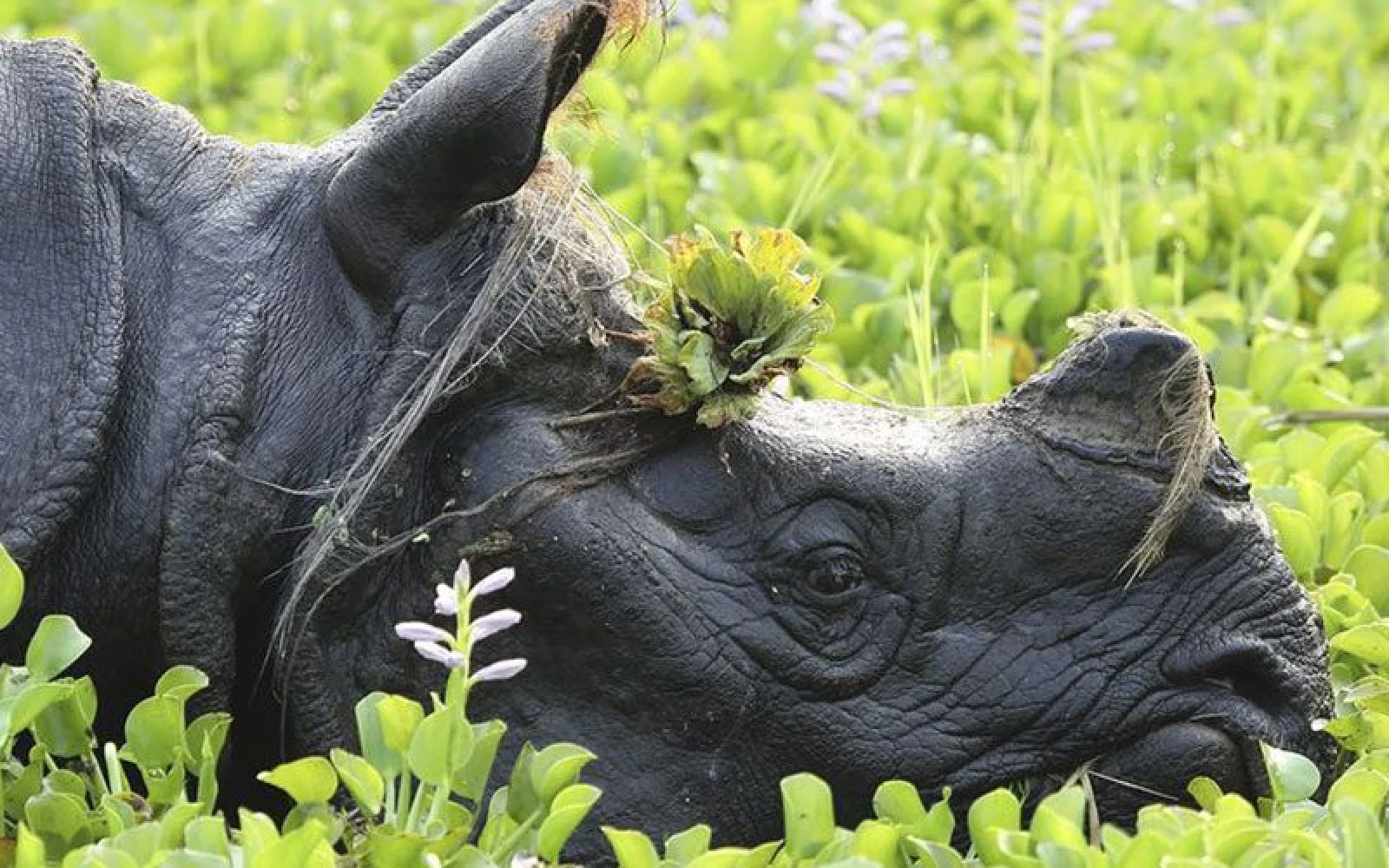
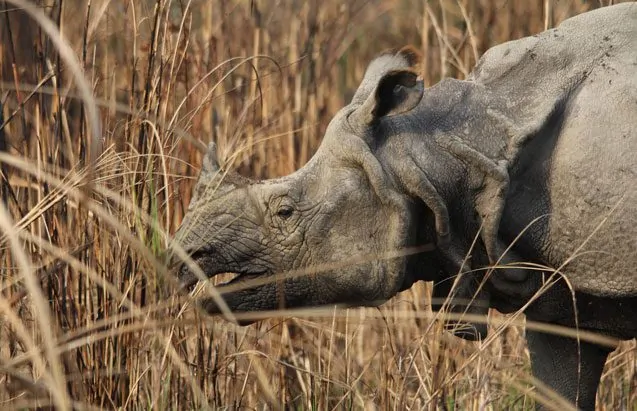
- Rhino Encounters: You may usually locate one-horned rhinoceroses from October to March, especially near rivers and open grasslands. Their grazing habits alter with the seasons, and you may see them better in the winter when the ground is dry. The highest chances are in the early morning and late afternoon.
- Bird Watching: Chitwan is a birdwatcher’s heaven with over 500 species. In the winter and spring, migrating birds come, and in the summer, resident birds can find enough of food in the thick foliage. Bring binoculars and light clothes for early-morning activities in wetlands and forests.
Recommended reads: 7 Adventure Activities in Chitwan National Park
Accommodation and Travel Tips for Winter
- Packing Tips: Pack layers to adjust to varying temperatures, especially for early morning and evening activities. Comfortable walking shoes, binoculars for bird watching, and a good camera are essential.
- Accommodation: Winter is peak tourist season, so it’s advisable to book your accommodation well in advance. Kasara Chitwan offers luxurious villas and suites with all modern amenities, ensuring a comfortable and memorable stay.
- Travel Tips: For the best wildlife sightings, consider early morning and late afternoon safaris. Always follow the guidance of your safari guide for a safe and enjoyable experience.
Spring (April to May)
Spring is a time when flowers bloom and animals get more active. It also brings warmer weather and bursts of color. Even if the visibility might not be as good as in the winter, this time of year is active, energetic, and full of movement.
Spring is the best time to visit Chitwan when the whole area comes to life. The trees start growing new leaves, and colourful flowers bloom everywhere. Fields of mustard turn bright yellow, adding a beautiful splash of colour to the landscape.
The weather is warm and comfortable, making it a great time to explore Chitwan. Whether you’re walking through the jungle or taking a boat ride on the river, you’ll see animals moving around more, and the whole place feels full of energy and life. It’s the perfect season to enjoy nature and see Chitwan at its best.
Climate and Weather
Spring in Chitwan brings warmer temperatures and increased humidity as the region transitions from winter to the monsoon season. Daytime temperatures can reach up to 35°C (95°F), while nighttime temperatures typically range from 18°C to 25°C (64°F to 77°F). The weather remains dry, but the heat can be intense, especially in the afternoons.
Wildlife and Activities
Spring is a vibrant time in Chitwan, with the flora in full bloom and wildlife active as they prepare for the upcoming rains. Key activities during this season include:
- Jungle Safaris: Early morning and late afternoon Chitwan jungle safaris are ideal to avoid the midday heat, with the park’s lush vegetation providing a stunning backdrop for wildlife photography.
- Bird Watching: Spring is another excellent season for bird watching, as resident birds become more active and visible. The mating season for many bird species adds to the excitement, with colorful displays and calls.
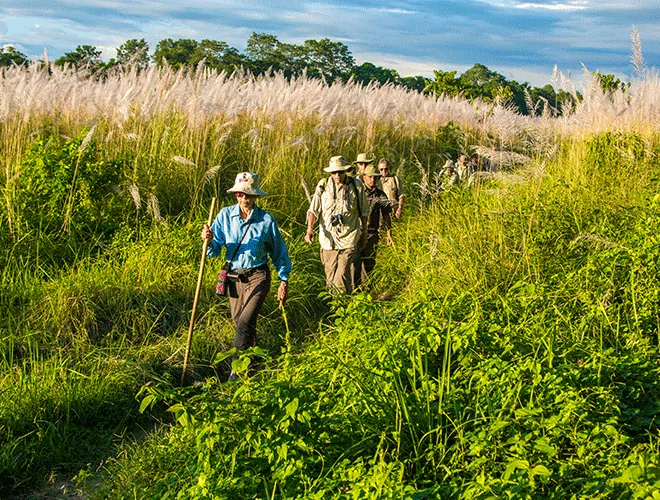
- Nature Walks: Guided nature walks are a great way to explore the park’s diverse ecosystems, including grasslands, riverine forests, and sal forests. Spring flowers add color to the landscape, making walks more enjoyable.
Accommodation and Travel Tips for Spring
Packing Tips: Light, breathable clothing is essential for the hot afternoons, along with a wide-brimmed hat and sunscreen. Insect repellent is also recommended due to the increased humidity.
Accommodation: Kasara Chitwan offers air-conditioned villas and suites, providing a comfortable retreat from the heat. The resort’s pool and spa services are perfect for relaxation after a day of activities.
Travel Tips: Plan your activities for early morning or late afternoon to avoid the heat. Stay hydrated and take breaks as needed. Booking your Chitwan Jungle safaris and excursions in advance is advisable, as spring is a popular time for tourists.
Recommended Reads: 7 reasons to visit Chitwan National Park
Monsoon (June to September)
The monsoon season in Chitwan, which lasts from June to September, brings heavy rains that transform the landscape into a lush, green paradise. During this time, the rivers swell with water, and the entire area becomes a vibrant canvas of greenery.
While the rain can make outdoor activities more challenging, it also offers a unique opportunity to witness the natural beauty of the park in a different light. The jungle is thick with vegetation, making it an excellent time for birdwatching, as many species are active and nesting.
However, it’s important to note that the heavy rains can make some trails muddy and harder to navigate. For those who love the peaceful, rainy atmosphere and want to see the region at its most tranquil, the monsoon season can be a special time to visit.
Climate and Weather
The monsoon season in Chitwan is characterized by heavy rainfall, high humidity, and lush green landscapes. Daytime temperatures range from 25°C to 30°C (77°F to 86°F), with nighttime temperatures slightly cooler. The rains bring a sense of freshness and rejuvenation to the region, but also present challenges for travel and outdoor activities.
Wildlife and Activities
While the monsoon season is not the most popular time for visiting Chitwan, it offers a unique and serene experience for those who enjoy solitude and the beauty of nature. Key activities during this season include:
- Nature Walks: The park’s vegetation is at its most lush and green during the monsoon, making nature walks and Chitwan jungle safaris visually stunning experiences. However, walks may be limited due to muddy trails and the presence of leeches.
- Bird Watching: The monsoon season is a great time for bird enthusiasts, as the rain brings out a variety of resident and migratory birds. The lush environment provides excellent opportunities for bird photography.
- Cultural Experiences: The monsoon season is a quieter time for tourism, allowing for more intimate Chitwan cultural experiences. Visiting Tharu villages and participating in traditional activities can be more personal and engaging.

Relaxation: The monsoon is an ideal time for relaxation and wellness activities. Kasara Chitwan’s spa and wellness services, including massages and yoga sessions, are perfect for unwinding amid the natural beauty of the region.
Accommodation and Travel Tips for Monsoon
Packing Tips: Pack waterproof clothing and footwear, as well as an umbrella or raincoat. Light, quick-drying clothing is recommended, along with insect repellent to ward off mosquitoes. Check out this link for detailed packing tips.
Accommodation: Monsoon is the off-peak season, which means fewer tourists and more personalized service at Kasara Chitwan. The resort’s indoor amenities and activities ensure a comfortable stay regardless of the weather.
Travel Tips: Be prepared for potential travel delays due to heavy rains and road conditions. Check weather forecasts regularly and plan your activities accordingly. Guided safaris may be limited, so focus on relaxation and indoor experiences.
Recommended Read: Animal to Spot in Chitwan Jungle Safari
Conclusion
When you want to visit Chitwan depends on what you want to do and what you like. Most visitors come in the winter, as it’s the best time to visit Chitwan for wildlife viewing and outdoor activities.
Spring brings a bright and colorful environment that is great for bird-watching and nature walks, even when the weather is warmer. The rainy season can be hard, but it also has its own peaceful beauty with lots of green and fewer tourists.
For those travelling with children or the elderly, winter is also considered the ideal family-friendly season in Chitwan, thanks to its cooler temperatures and safe safari conditions.
Importantly, no matter when you go, your lovely and pleasant place to stay can only be at Kasara Chitwan. You can enjoy the beauty of Chitwan all year round with us. Plan your vacation today with us and get ready to see the stunning landscapes, diverse wildlife, and rich culture that make Chitwan a place you will never forget.
Frequently Asked Questions (FAQs)
What is the best time to visit Chitwan for wildlife viewing?
The best time for wildlife viewing in Chitwan is during the winter months, from October to March, when the weather is cooler and animals are more active and visible near water sources.
How is the weather in Chitwan during winter?
Winter in Chitwan (October to March) features pleasant daytime temperatures ranging from 15°C to 25°C (59°F to 77°F) and cooler nights, making it ideal for outdoor activities and wildlife safaris.
Can I see Bengal tigers in Chitwan?
Yes, Chitwan National Park is home to Bengal tigers, and the best chances of sighting them are during the dry winter months when visibility is better and tigers are more likely to be seen near water sources.
What kind of clothing should I pack for a summer trip to Chitwan?
For summer, pack light, breathable clothing, a wide-brimmed hat, sunscreen, insect repellent, and comfortable shoes. A raincoat or umbrella is also advisable for sudden showers.