

7 reasons to visit Chitwan National Park
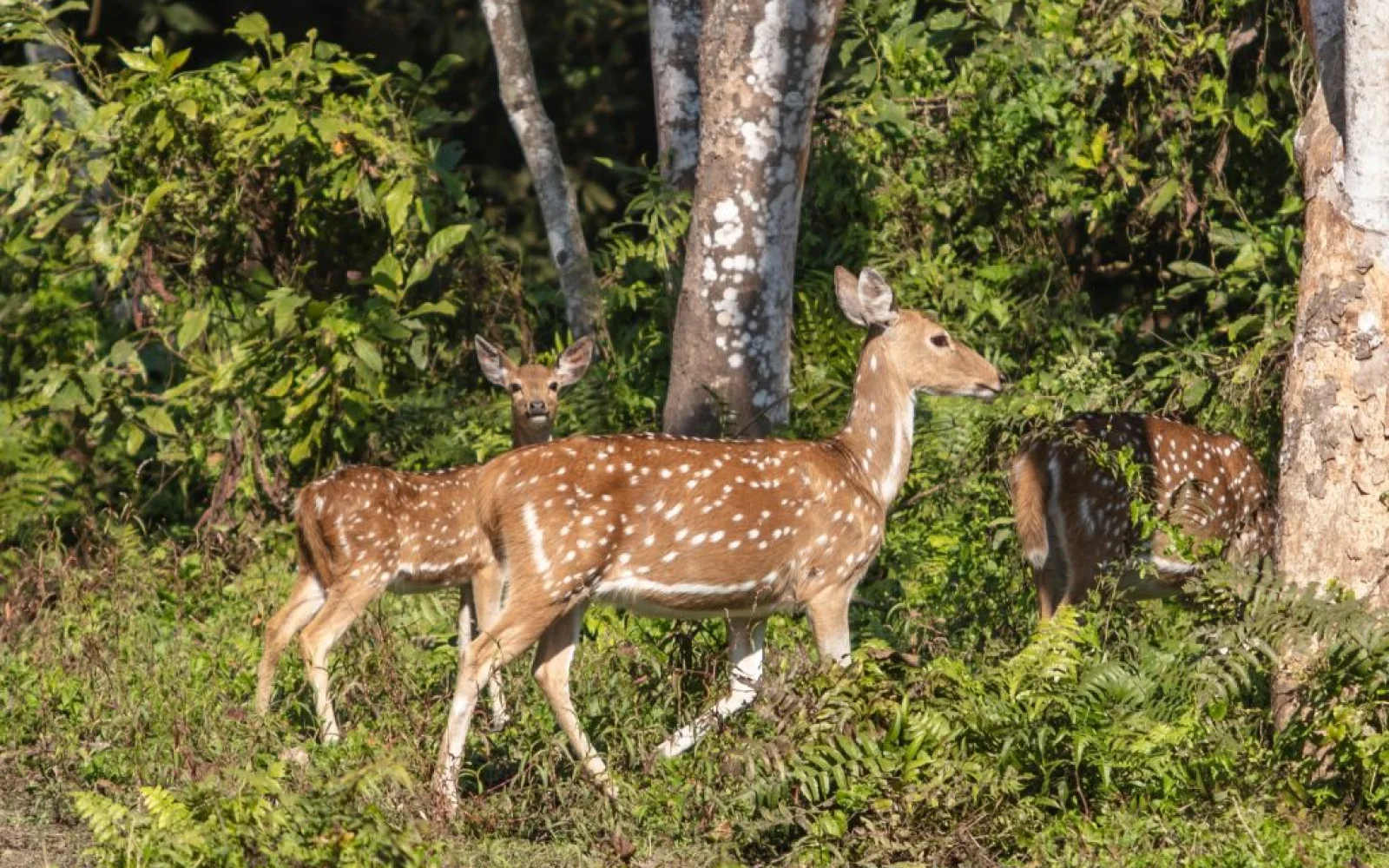
If you’re looking for a place that has everything – wild animals, green forests, rivers, and local culture – then here is something you need to know to make your next visit: Chitwan National Park. Located in southern Nepal, this park covers approximately 953 sq. km. and provides shelter to thousands of species of flora and fauna.
This park is a complete package for someone looking to add adventure, learning about the biodiversity, and reconnect with life. And the best part? For travelers, it’s the best place to experience luxury right next to the jungle.
In this blog, we have discussed some reasons to visit Chitwan National Park in detail, and at the end, you’ll be given a perfect answer to “Why visit Chitwan?” Let’s dig into Kasara Chitwan’s travel guide!
Reasons to Visit Chitwan National Park- Your Travel Guide
UNESCO World Heritage & a real conservation success story
World recognition is one of the most powerful reasons to visit Chitwan National Park. Established in 1973, this park is the first national park in Nepal, and was listed as a UNESCO World Heritage Site in 1984, showing its global importance.
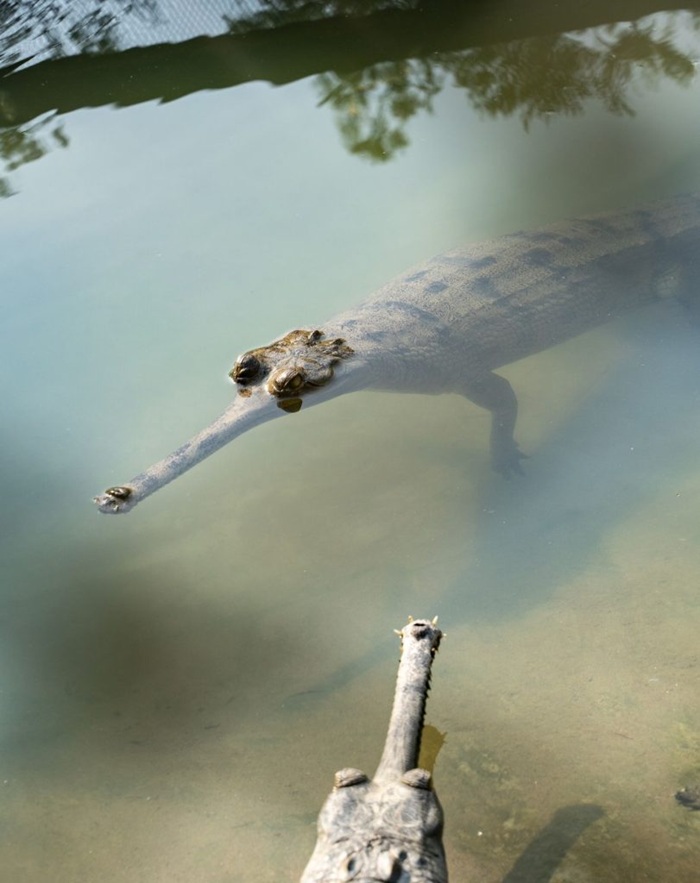
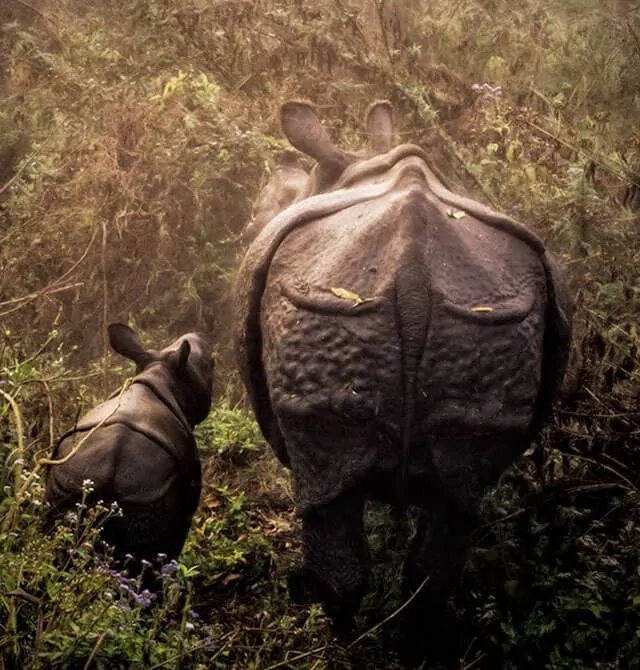
The park protects many endangered animals like the one-horned rhinoceros, the Royal Bengal tiger, and the rare gharial crocodile. Years ago, these animals were close to disappearing, but because of strong conservation programs and support from local communities, their numbers have grown.
Today, around 128 tigers, 605 rhinos, and 265 gharials are getting shelter in this park. And this is living proof of how people and wildlife can share the same land and grow together. To witness this wildlife, you can visit the Chitwan National Park by obtaining permits and enjoying your safari.
Home to Thousands of Flora and Fauna
If you are asking why visit Chitwan, the answer is simple: the park is bursting with life. Covering 953 square kilometers of the Terai lowlands in south-central Nepal, Chitwan is made of Sal forests, tall elephant grass, wetlands, and river systems.
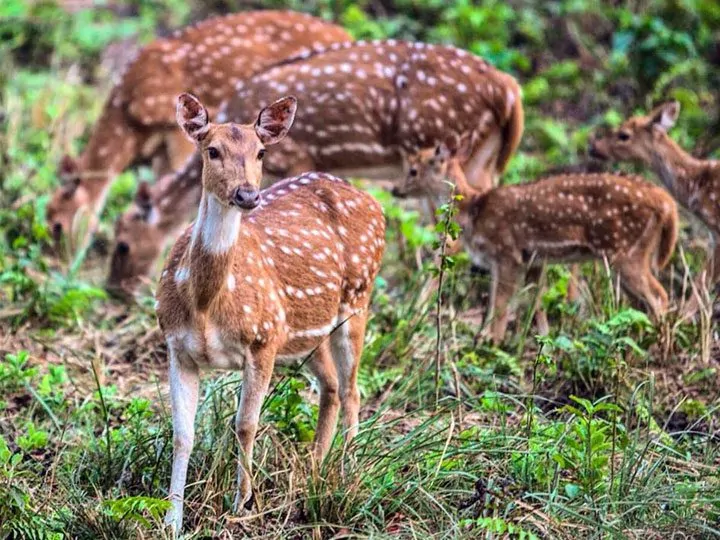
More than 700 species of wildlife live here. The most famous are the rhinos, tigers, and elephants, but you can also find sloth bears, leopards, wild boars, spotted deer, sambar deer, and golden jackals. Along the Rapti and Narayani rivers, you might see marsh mugger crocodiles resting in the sun. To know about the animals of Chiwan, check out this link.
Plant lovers will also enjoy Chitwan’s rich forests. The tall Sal trees dominate the jungle, while the grasslands grow up to six meters tall, creating perfect cover for rhinos and tigers. This mix of forests, grasslands, and rivers makes Chitwan a complete natural world of its own.
Adventure Activities All in One Place
What makes tourists love Chitwan National Park is the adventurous activities it provides. Unlike many other parks, this park offers both calm and adventurous ways to explore.
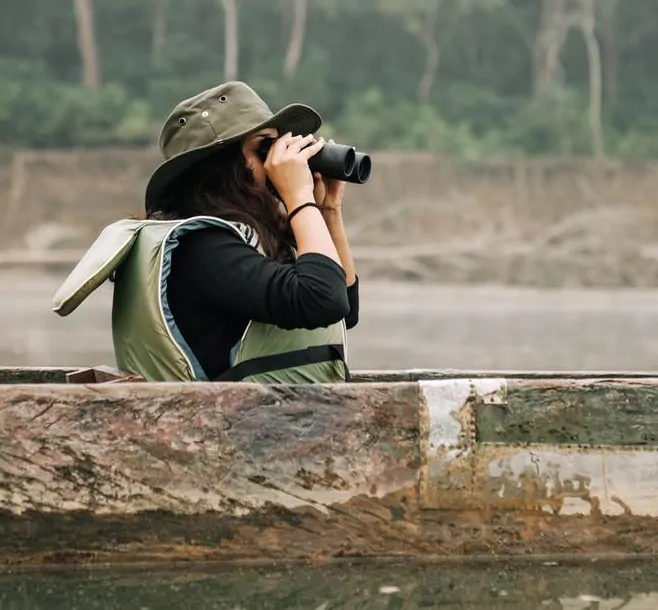
A jeep safari through the park takes you deep into the jungle, where you might spot rhinos, deer, and even the shy tiger. A canoe ride on the Rapti River lets you glide past crocodiles and watch water birds fishing along the banks. Or, you can do a jungle walk with trained guides to feel the sounds and smells of the forest up close.
Cycling through nearby villages is another fun option, where you’ll see green rice fields, buffalo carts, and the everyday life of the locals. After a full day of adventure, you can relax at Kasara Chtiwan, which arranges safe and eco-friendly activities right inside the park’s buffer zone.
If you want to know more about things to do in Chitwan, you can check our blog: Top Things to Do in Chitwan with Kasara Chitwan’s Exclusive Packages
Unforgettable Wild Animal Encounters
Wildlife spotting is one of the top reasons to visit Chitwan National Park. The park is famous for its large population of one-horned rhinos—over 600 live here today. Seeing one grazing in tall elephant grass is an unforgettable moment.
If you are lucky, you may also glimpse the Royal Bengal tiger during early morning safaris. These majestic cats are shy, but their presence makes every safari exciting. Other memorable encounters include elephants roaming the jungle, troops of Rhesus monkeys and langurs playing in the trees, or marsh mugger crocodiles resting on the riverbanks.
Every visit feels like a real-life documentary, where the drama of the wild happens in front of your eyes. And this is one of the reasons for Chitwan sightseeing.
Deep Dive into Local Culture
Chitwan is not only about animals and forests—it is also about people. The Tharu community, who have lived in the Terai region for centuries, add another reason to visit. Their culture, dances, food, and lifestyle make the journey more meaningful.
Visitors can join Tharu cultural programs with stick dances and traditional songs, tour their villages, and taste local dishes like dhikri (steamed rice bread) and ghonghi (snail curry). The Tharu people have deep knowledge of the jungle, and their traditions are closely tied to the land and rivers.
Staying at Kasara Chitwan makes it easier to experience this culture, as the resort works with local communities and supports their eco-tourism programs.

Religious sightseeing
For travelers who also enjoy cultural and spiritual journeys, Chitwan has sacred sites worth visiting. The most famous is Devghat, a holy Hindu pilgrimage site situated at the meeting point of the Narayani and Rapti rivers. It is one of Nepal’s most important religious spots, visited during festivals like Makar Sankranti.
Inside the park, the Bikram Baba Temple is a small but respected shrine where locals offer prayers. These places give visitors a chance to see how nature and spirituality come together in Chitwan, making the trip more than just a wildlife adventure.
Birdwatching Paradise on the Rapti–Narayani Floodplains
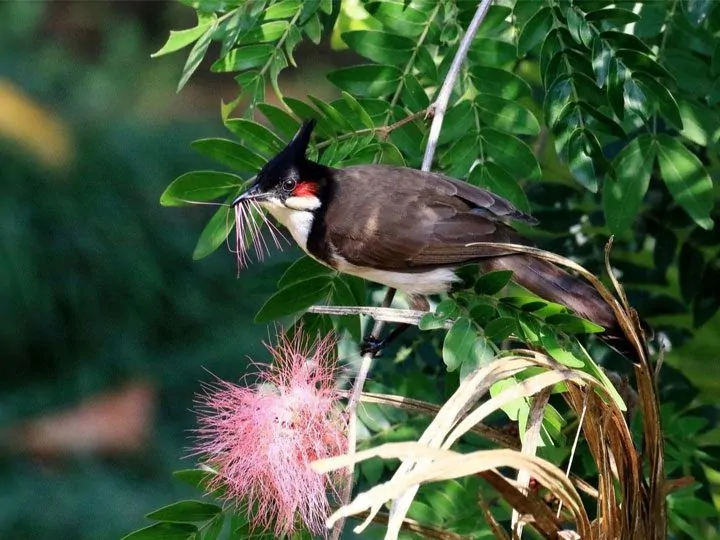
If you love birds, Chitwan is one of the best destinations in Asia. The park has recorded over 600 species of birds, including endangered and rare ones. The Bengal florican, giant hornbill, and lesser adjutant stork are just a few of the highlights.
The floodplains along the Rapti and Narayani rivers are perfect spots for birdwatching, especially in the morning. During the winter months, migratory birds arrive from as far as Siberia, turning Chitwan into a colorful paradise. For birdwatchers, this is one of the strongest reasons to visit Chitwan National Park.
How to Visit Chitwan National Park
Getting to Chitwan is easy and offers a few different options:
- By Air: The quickest way is to fly from Kathmandu to Bharatpur Airport, which takes about 25 minutes. From Bharatpur, it’s a short drive (20–30 minutes) to the park and to resorts like Kasara Chitwan. You can book a flight from Hamro Safari for the best deal.
- By Road: From Kathmandu or Pokhara, you can take a tourist bus or private car. The scenic drive through hills and along rivers takes about 5–6 hours. We have covered this in this blog. Check out this link to know about Kathmandu to Chitwan, and Pokhara to Chitwan.
- By Tour Packages: Many visitors book Chitwan packages that include transport, safari, meals, and stays. Resorts like Kasara help arrange these for a smooth travel experience.
How Many Days Do You Need in Chitwan?
For most travellers, 2 to 3 days in Chitwan is ideal. This gives enough time to enjoy a mix of activities without feeling rushed.
- Day 1: Arrival, village walk, and Tharu cultural show.
- Day 2: Jeep safari, canoe ride on the Rapti River, and jungle walk.
- Day 3: Morning birdwatching or cycling before heading back.
If you are a birdwatcher or want a slow, relaxing holiday, staying 4–5 days at a resort like Kasara allows you to fully enjoy the wildlife, spa treatments, and peaceful surroundings.
Recommended reads: Facts about Chitwan National Park
Best Time to Visit Chitwan National Park
The best time to plan your Chitwan National Park visit is between October and March, when the weather is cool and clear. This is also the peak time for safaris, jungle walks, and birdwatching.
- Winter (Nov–Feb): Best for spotting wildlife in open grasslands.
- Spring (Mar–Apr): Warm weather, flowering forests, and good chances to see animals.
- Monsoon (Jun–Sep): Heavy rain makes some areas muddy and safaris less comfortable, but the park looks very green and fresh.
Travel Tips for Visitors
Here are some smart travel tips that every visitor needs to make their Chitwan journey fun and adventurous:
- Clothing: Bring light cotton clothes in summer and warm layers in winter. Neutral colors help blend into the jungle.
- Footwear: Comfortable walking shoes or sandals are best.
- Health: Carry insect repellent, sunscreen, and any personal medicines.
- Respect Wildlife: Maintain adequate distance from animals and listen to your guides.
- Eco-Friendly Travel: Avoid plastic bottles and littering to help keep the park clean.
- Stay Close to the Park: Resorts like Kasara Chitwan inside the buffer zone give you easy access to activities while offering eco-luxury comfort.
Conclusion
Chitwan National Park is a perfect mix of wildlife, adventure, culture, and spirituality. From spotting rhinos, tigers, and gharials to enjoying Tharu cultural shows and birdwatching along the Rapti–Narayani rivers, every experience is memorable.
Adventure lovers can enjoy jeep safaris, canoe rides, and jungle walks, while those seeking comfort can relax at Kasara Chitwan, right in the park’s buffer zone. For anyone wondering why visit Chitwan, it’s simple: The park is a great place to interact with nature, learn about the local culture, and make experiences that will last a lifetime—all in one trip.
Book us now to experience all these with us!
FAQs
Is it worth visiting Chitwan National Park?
Absolutely! Chitwan is perfect for wildlife lovers, adventure seekers, birdwatchers, and anyone curious about Tharu culture. Every visit is memorable.
How much is the entry fee for Chitwan National Park?
For international visitors, it’s about NPR 2000 per adult and NPR 1000 per child (free under 10). Safaris and guided tours cost extra but are worth it.
How long should you spend in Chitwan National Park?
2–3 days is ideal to enjoy safaris, canoe rides, jungle walks, and local culture. Birdwatchers or those wanting a relaxed trip may stay 4–5 days.
What can you do in Chitwan National Park?
There’s plenty to do! Go on jeep safaris, canoe rides, jungle walks, cycling, and join Tharu cultural programs for a full experience.
Is one day enough for Chitwan?
One day is too short. To really enjoy the wildlife, culture, and adventure, plan at least 2–3 days.