
Exploring Tharu Culture in Chitwan: A Journey Through Tradition, Dance, and Heritage
Do you know there are 125 distinct ethnic groups in Nepal, and one of them is Tharu Culture. This indigenous community is the largest ethnic group of the Terai, whose rich traditions and way of life form the foundation of Tharu culture in Chitwan.
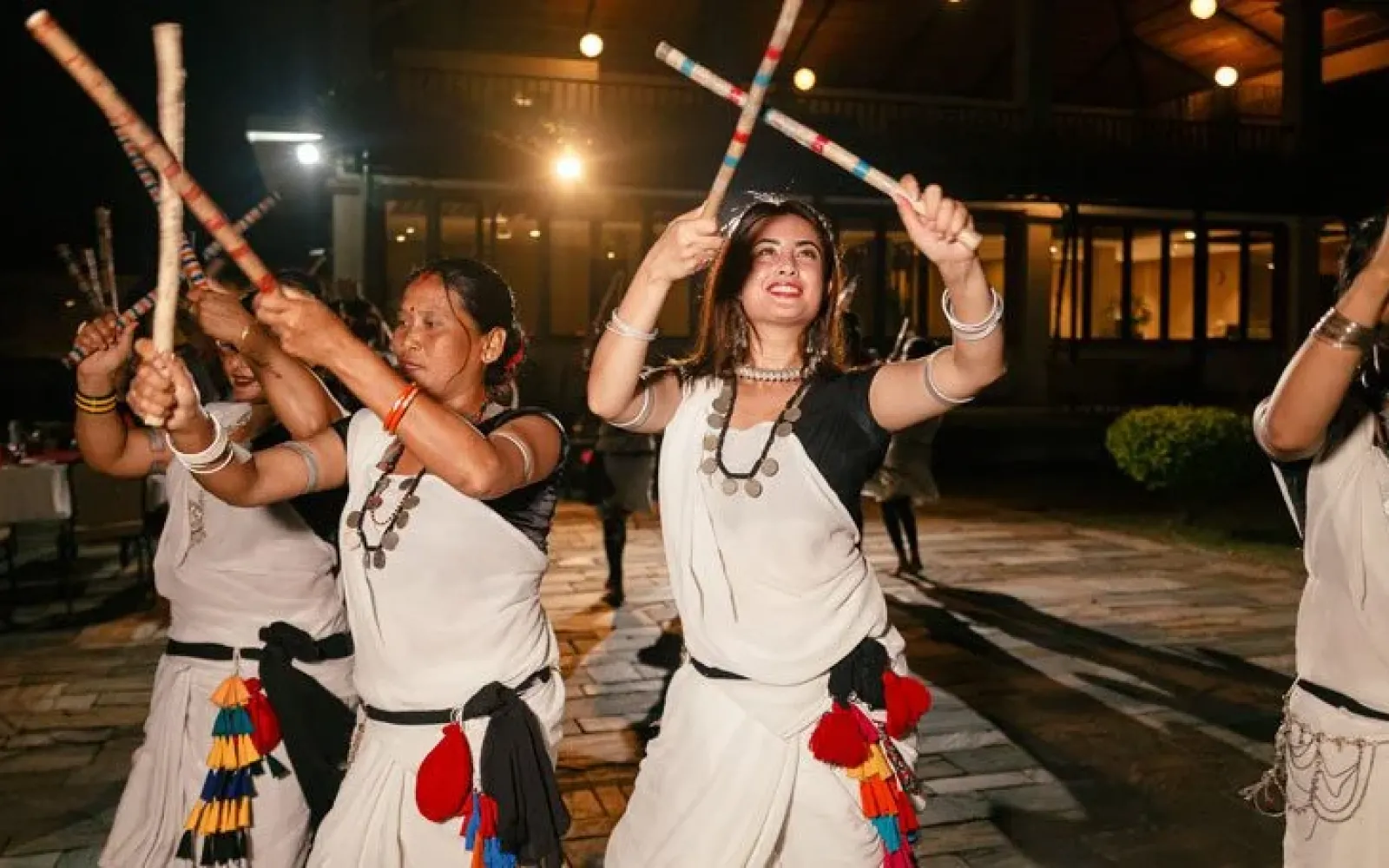
The Tharu People are deeply connected with the fertile Terai plains of Nepal and have preserved a unique lifestyle centered on nature, agriculture, and ancestral customs. Their vibrant culture includes rhythmic Tharu stick dances, spiritual rituals, symbolic festivals like Maghi, and sustainable homes built from mud and thatch.
Each performance and custom reflects harmony with nature and strong community bonds. With diverse subgroups, distinct dialects, and colorful ethnic attire, Tharu heritage is rich and deeply meaningful.
In this blog, we are talking about the Tharu Culture, people, and a tradition that makes them different and unique in the cultural diversity of Nepal.
Who are Tharu People?
The Tharu are one of Nepal’s oldest and most resilient indigenous ethnic groups, primarily inhabiting the Terai region, including Chitwan. According to the 2022 Census of Nepal, the Tharu population is approximately 6.2% of Nepal’s total population.
Traditionally forest-dwelling, the Tharu community has developed a unique identity shaped by centuries of coexistence with the natural environment.
These indigenous groups are known for their resistance to malaria, deep knowledge of local flora and fauna, and strong spiritual ties to the land. With diverse subgroups such as the Rana Tharu and Dangaura Tharu, each with its own language, customs, and dress, the Tharu culture is richly layered.
Their livelihood has long revolved around farming, fishing, and gathering forest resources, and their distinct social structures reflect a deep respect for communal living, ancestral wisdom, and ecological balance.
What is the Culture of Tharu?
Tharu culture is a vibrant reflection of harmony with nature, ancestral traditions, and communal life. Centered in Chitwan and the Terai lowlands, it encompasses indigenous spiritual beliefs, unique rituals, and seasonal festivals like Maghi and Jitiya.
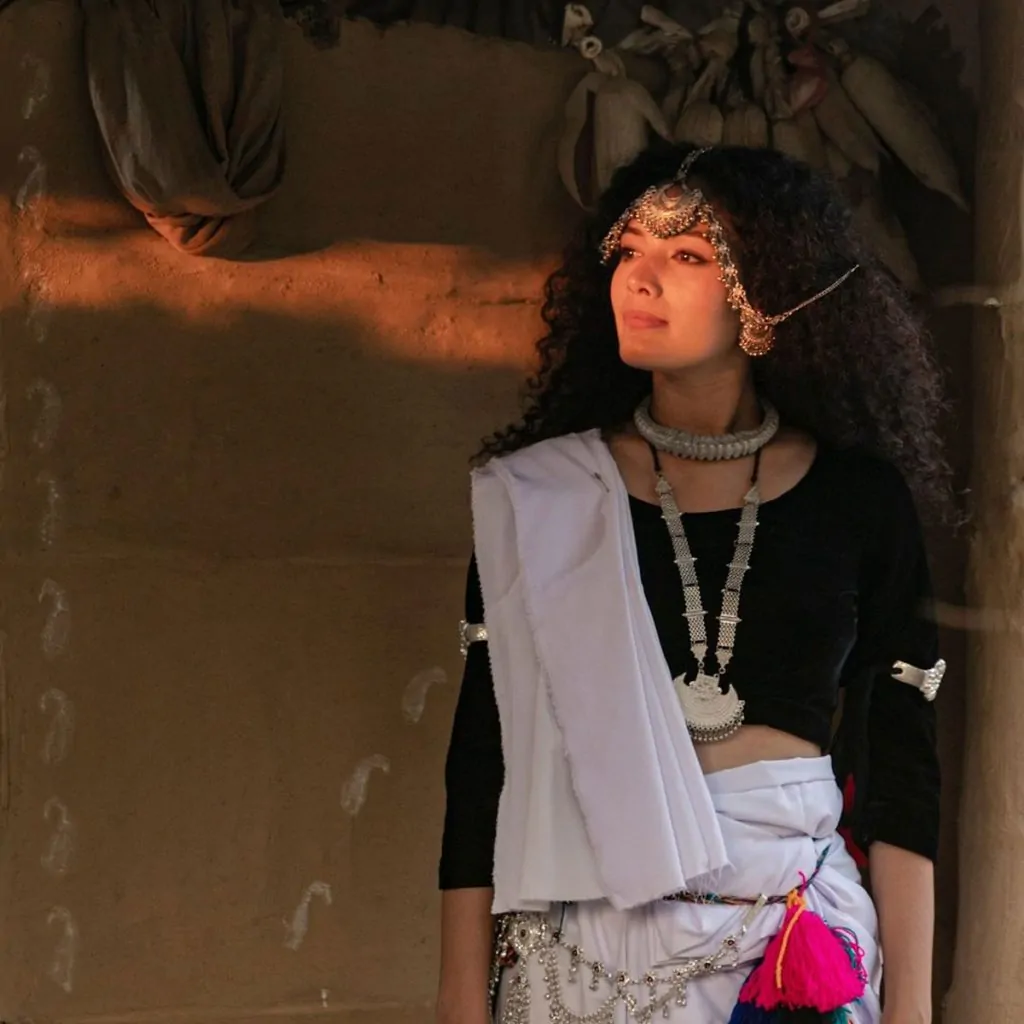
Tharu communities are known for their colorful attire, handcrafted jewelry, and traditional mud-and-thatch homes adorned with symbolic art. Music and dance are essential expressions, especially the iconic Tharu stick dance performed during cultural evenings.
Their cuisine includes local ingredients, grains, and river fish, often cooked over wood-fired stoves. The culture also emphasizes gender roles, animist worship, and oral storytelling. Rooted in sustainable living, the Tharu way of life showcases a deep respect for forests, rivers, and the ancestral wisdom passed down through generations.
These people have a unique style of living (highly influenced by India). They made their shelter in a traditional system, using available materials like clay, mud, cow dung, and grass. Most of the designs are rooted in devotional activities and have been passed down through generations.
Further Read: Chitwan Itinerary: A Perfect Family Day from Sunrise to Campfire
Festival of Tharu People
Festivals hold a sacred place in the Tharu culture of Nepal, blending ancestral worship, nature reverence, and joyful celebration. Maghi, the Tharu New Year, is the most important festival, marked by feasting, traditional dances, and community gatherings.
Jitiya, a woman’s fasting ritual, honors family well-being and ancestral spirits. During Holi, the Tharu add their distinct flair through colorful mud dances and local songs. Ashtimki, celebrated with mural paintings and prayers, reflects their deep spiritual beliefs.
These festivals feature symbolic rituals, storytelling, and music using instruments like madal and dhol. Rooted in agricultural cycles and lunar calendars, Tharu festivals are communal expressions of gratitude, heritage, and identity—preserving cultural legacy while offering vibrant, immersive experiences for visitors to Chitwan and the Terai region.
Essence of Tharu Music & Dance
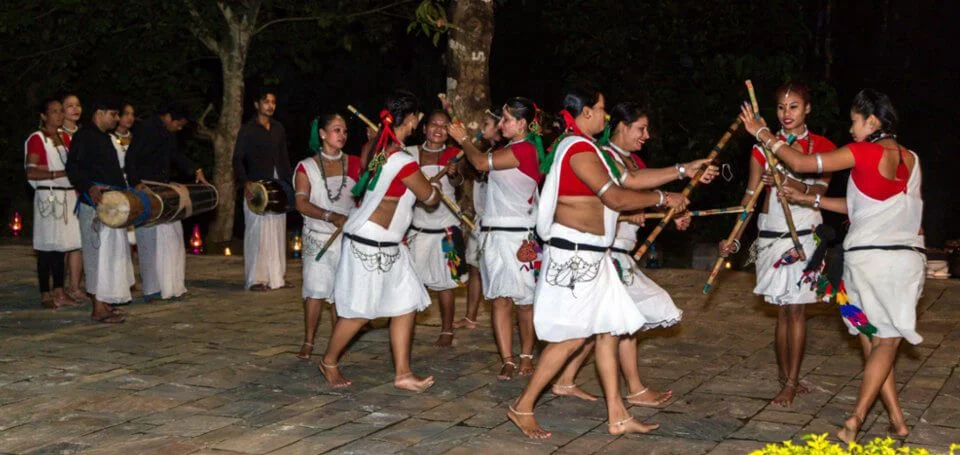
Tharu music and dance form the heartbeat of their cultural identity, embodying centuries-old traditions passed through generations. Rhythmic instruments like the madal, dhol, jhyali, and tabala accompany their performances, often held during festivals, harvests, and rituals.
Each dance like the energetic stick dance (lathahawa) or the sorathi and sakhiya dances—tells stories of love, heroism, fertility, or harmony with nature. Performed in traditional attire adorned with beads and bright patterns, these dances reflect the Tharu people’s close connection to the forest, rivers, and earth.
Music is not just entertainment—it’s an expression of community spirit, spirituality, and resilience. Experiencing a live Tharu cultural performance in Chitwan offers a deep emotional insight into their artistic and ancestral soul.
Further Read: Madi Culture in Nepal: A Glimpse into Traditional Rural Life in the Valley
Tharu Food: A Taste of Tradition and Nature
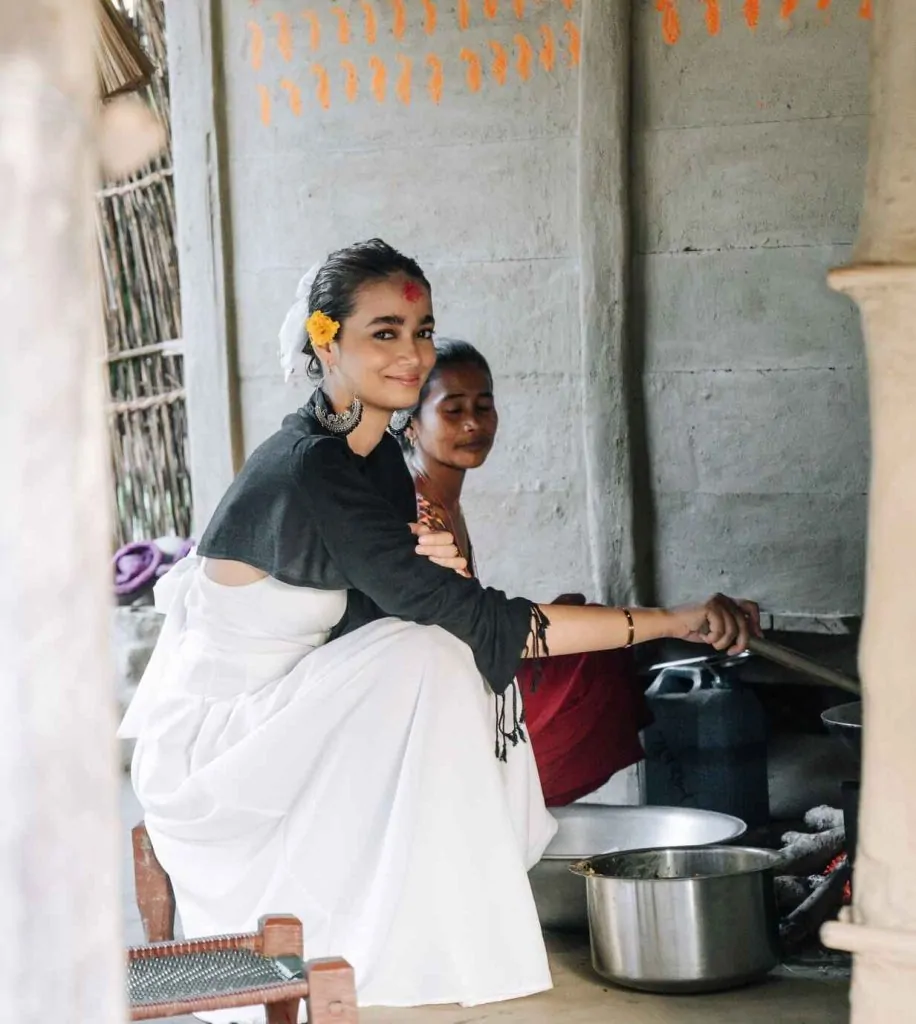
Tharu cuisine reflects the community’s close relationship with the land and rivers of Chitwan. Rooted in simplicity and sustainability, their meals often feature locally grown grains like rice and maize, fresh river fish, wild vegetables, and forest herbs.
Traditional dishes are cooked using age-old methods over wood-fired stoves, emphasizing natural flavors and wholesome ingredients. Popular Tharu foods include bhat (rice), dal (lentils), ghonghi (snail curry), and bamboo shoot pickle.
Experiencing Tharu food offers visitors a delicious insight into the community’s heritage and their deep respect for nature’s bounty. At Kasara Chitwan, guests can savor authentic Tharu meals prepared with care and traditional recipes, enhancing the cultural immersion.
The Value of Tharu Culture
Exploring Tharu culture in Chitwan is both an enriching experience and a meaningful way to help preserve an ancient way of life. The Tharu people offer timeless lessons in sustainable living, deep community bonds, and a spiritual connection to nature.
Visitors who immerse themselves in Tharu traditions not only gain a deeper understanding of this unique culture but also play a role in safeguarding it from the pressures of modernity.
Kasara Chitwan is the ideal place to begin this cultural journey. Blending authentic experiences with modern comfort, Kasara provides an unforgettable opportunity to connect with Tharu heritage and support its continued vitality for generations to come.
Experiencing Tharu Culture with Kasara
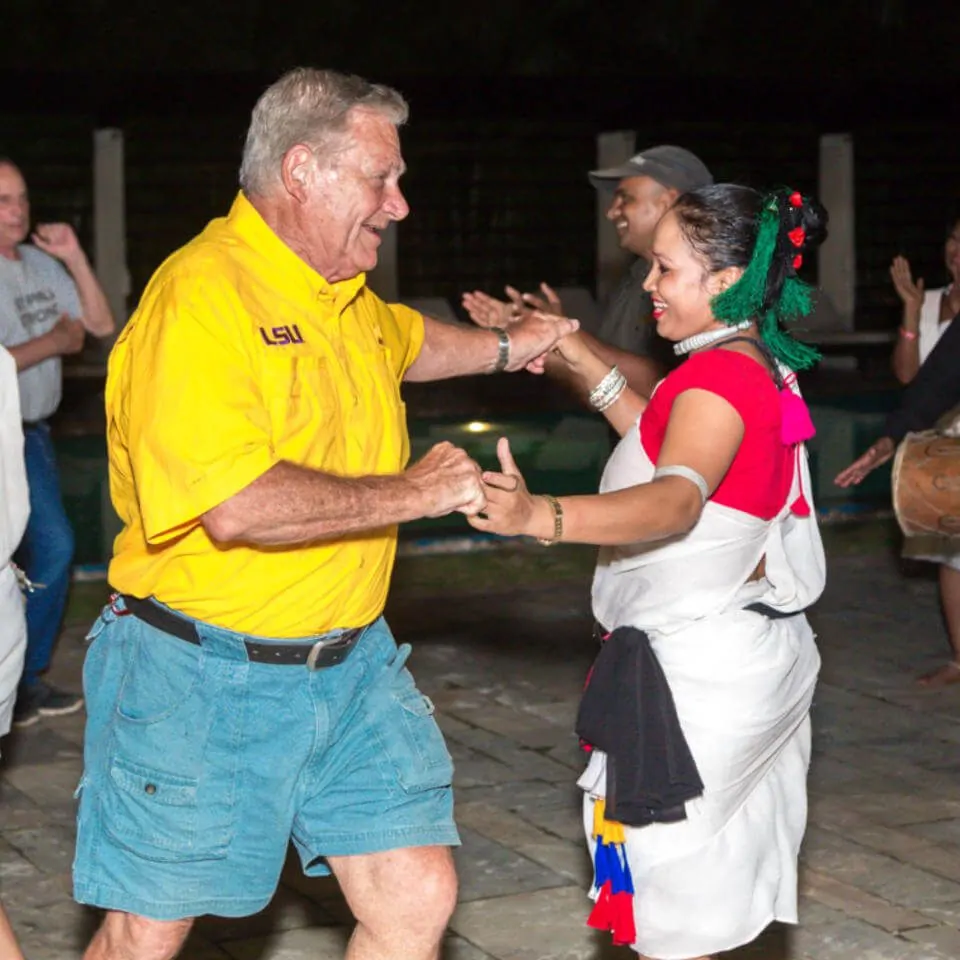
Kasara Chitwan is the perfect gateway to explore Tharu culture in its most authentic form. Located in the heart of Chitwan, Kasara offers visitors immersive experiences such as guided village tours, homestays with Tharu families, and vibrant cultural shows.
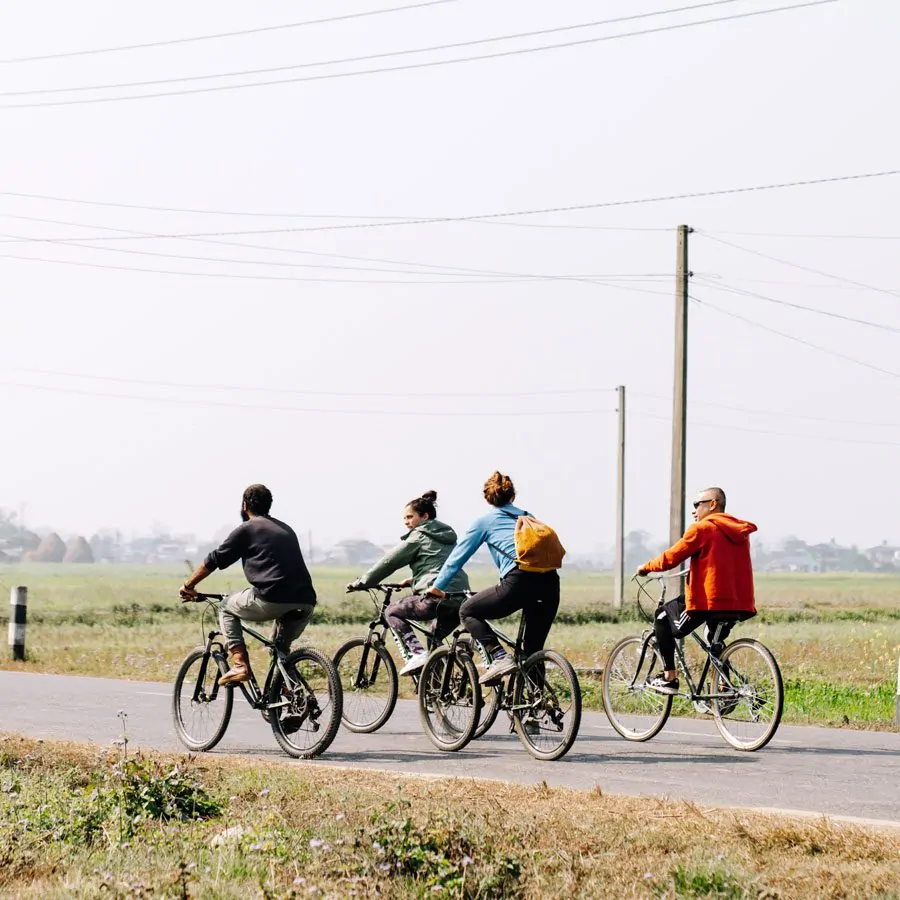
One of the highlights is cycling through nearby Tharu villages, where guests can witness the community’s daily life, traditional farming, and crafts firsthand.
The Tharu Cultural Museum nearby provides a fascinating insight into their history, spiritual beliefs, and customs, showcasing artifacts, traditional attire, and cultural heritage. After a day of exploration, Kasara Chitwan offers comfortable accommodations to relax and reflect.
By engaging in these activities, visitors deepen their appreciation of Tharu traditions while supporting the preservation of this unique culture through responsible tourism.
Conclusion
Tharu culture of Nepal offers a rare and enriching glimpse into one of Nepal’s most unique indigenous communities. From cultural Tharu dances and spiritual rituals to sustainable living and strong community bonds, the Tharu people show a timeless connection to nature and heritage.
Experiencing this culture firsthand not only deepens your understanding but also helps preserve these traditions for future generations. Kasara Chitwan provides the perfect setting to immerse yourself in authentic Tharu life through cultural programs, village tours, and comfortable accommodations.
Ready to explore the heart of Tharu heritage? Discover Kasara’s packages today and book for an unforgettable journey that blends tradition, nature, and genuine hospitality.
FAQs
Which thing is famous for Chitwan?
Chitwan is famous for its stunning wildlife safaris, especially the one-horned rhinoceros and Royal Bengal tiger, alongside vibrant Tharu culture and beautiful Terai landscapes.
What is the biggest festival of Tharu?
The biggest Tharu festival is Maghi, celebrating the New Year with traditional dances, feasting, and rituals that honor ancestors and promote community unity and prosperity.
What is a Tharu dress called?
Tharu traditional dress varies by subgroup but often includes colorful Dhoti or Lungi for men and vibrant Gunyu Choli or embroidered dresses for women, adorned with intricate jewelry.
What is the tradition of Tharu?
Tharu traditions revolve around nature worship, sustainable farming, ancestral rituals, folk dances, and festivals that strengthen community bonds and preserve their rich cultural heritage.
Are Chaudhary and Tharu the same?
Chaudhary is a common surname among some Tharu subgroups, but not all Chaudharys are Tharu; the two share cultural ties but represent distinct identities within Nepal’s diverse communities.