
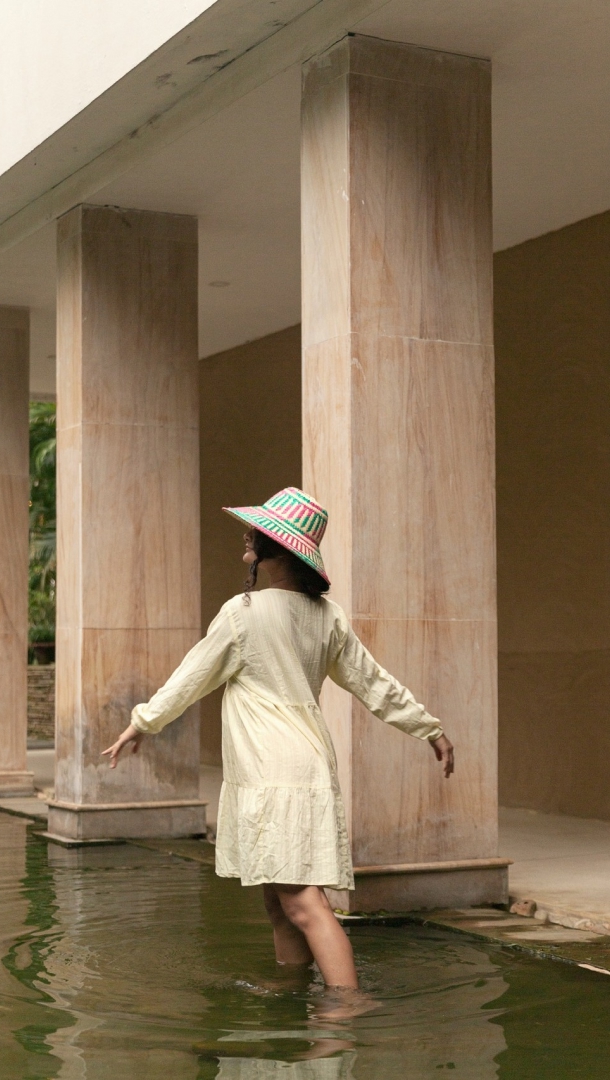
Reconnect with Wild Nature: The Ultimate Weekend Escape from kathmandu
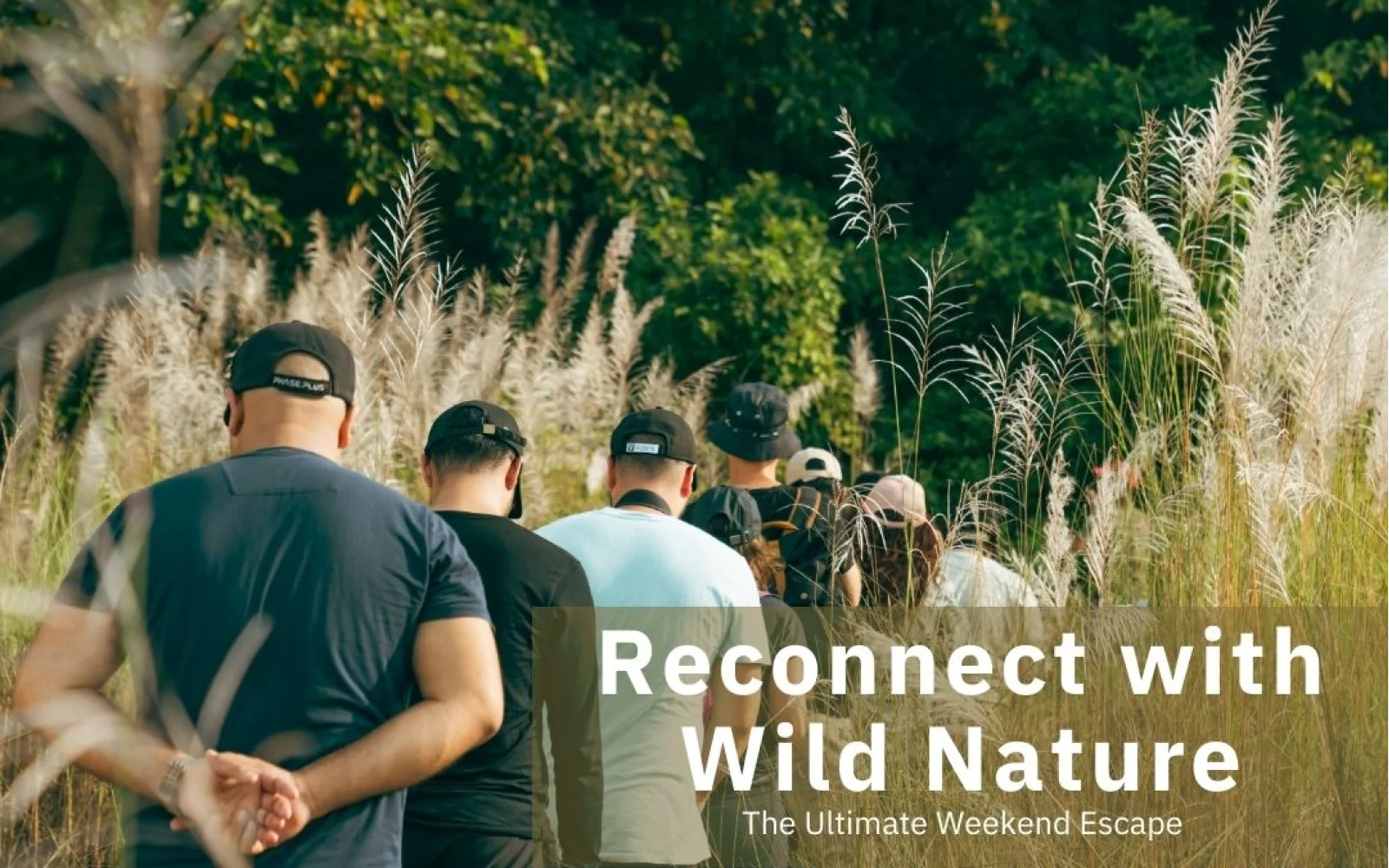
There’s a particular kind of exhaustion that comes from loving a city too much. You know the feeling: when the very energy that drew you in begins to wear you thin. When the stimulation that once sparked creativity now fragments your focus. When you realize you haven’t heard silence in weeks.
If you live and work in Kathmandu, you understand this intimately. The city gives endlessly: opportunities, connections, experiences. But it also asks for something in return: your constant presence, your perpetual engagement, your undivided attention.
What if the answer isn’t rest in the traditional sense, but contrast? What if two nights at a place like Kasara Chitwan could recalibrate not just your energy, but your entire relationship with the rhythm you’ve been keeping? This isn’t about abandoning the city you love. It’s about stepping away just long enough to return with clarity.
The Rhythm of Kathmandu: Energy, Culture, Momentum
Kathmandu pulses with life. From the pre-dawn chants at Swayambhunath to the late-night hum of Thamel, the city never truly pauses. Cafés fill with startup founders sketching business plans on napkins. Creative studios buzz with designers, filmmakers, and musicians shaping Nepal’s cultural renaissance. Markets overflow with color, noise, and negotiation. Every corner offers something: a meeting, a collaboration, a possibility.
This energy is intoxicating. It fuels ambition, connects communities, and pushes boundaries. The city teaches you to move fast, think sharply, and stay alert. But even the most vibrant energy needs balance. Without contrast, momentum becomes exhaustion. Inspiration turns into overstimulation. The very pulse that drives you forward can, over time, leave you feeling disconnected from yourself.
Why a Short Nature Break Changes Everything
There’s a reason why stepping into nature, even briefly, feels so profoundly restorative. It’s not just poetic metaphor; it’s neuroscience. Natural environments reduce cortisol, lower heart rate, and shift brain activity away from rumination. The Japanese practice of shinrin-yoku, or forest bathing, has been clinically shown to improve mood and cognitive function within hours.
A weekend getaway from Kathmandu doesn’t require a week-long commitment or extensive planning. Two nights away from screens, schedules, and structural noise can recalibrate your mental clarity in ways that surprise you. You return not just rested, but sharper. More present. More creative. The key is genuine contrast: not substituting one form of busyness for another, but truly slowing down.
This is where a short trip from Kathmandu becomes more than logistics. It becomes a deliberate reset. And when that trip takes you from urban intensity to jungle stillness, the shift is palpable.
From City Pulse to Jungle Stillness: What Makes Chitwan Different
Imagine this contrast: the honk of traffic replaced by the call of a woodpecker. Your structured calendar giving way to open landscapes that don’t demand anything from you. The blue glow of your screen at midnight replaced by golden light filtering through sal trees at dawn.
Chitwan doesn’t compete with Kathmandu. It complements it. Where the city is vertical, fast, and electric, Chitwan is horizontal, slow, and organic. The rhythm here follows the sun, the migration of birds, the movement of rhinos through grasslands. There’s no pressure to optimize or perform. Just permission to notice, breathe, and be.
This isn’t about escaping permanently. It’s about creating space for the kind of stillness that makes returning to the city feel intentional rather than automatic. For those seeking a quick nature escape Nepal offers few places that deliver this shift as tangibly as Chitwan.
Is Chitwan Too Far for a Weekend? Here’s the Reality
The hesitation is understandable. Chitwan feels distant from Kathmandu, not just geographically, but conceptually. Jungle safaris sound like multi-day commitments reserved for tourists with flexible schedules. But the reality is far more accessible.
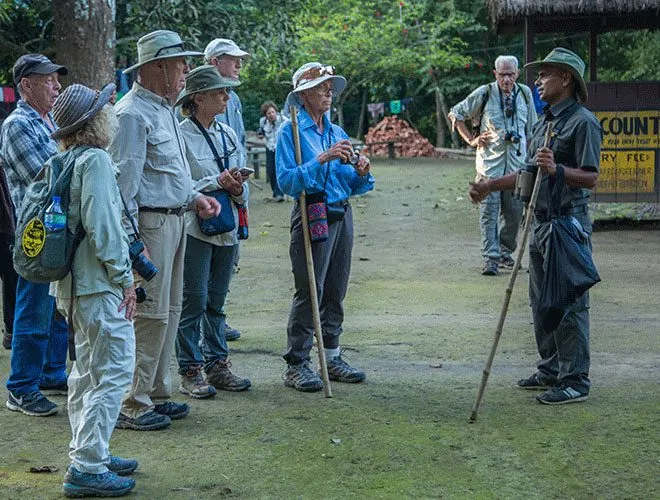
A flight from Kathmandu to Bharatpur takes 25 minutes. From there, it’s a 30-minute drive to Chitwan. If you prefer the road, a comfortable five-hour drive gets you there, allowing you to watch the landscape shift from mountains to plains. Either way, you can leave Kathmandu Friday afternoon and be deep in the jungle by evening.
Two nights is enough, more than enough actually, for a meaningful reset. Safari timings are flexible. In-house naturalists coordinate everything, so you’re not juggling logistics or worrying about missing an experience. You simply arrive, settle in, and let the rhythm of the jungle take over. For those wondering how to get to Chitwan from Kathmandu, the logistics are straightforward and surprisingly quick.
What a Perfect 2-Night Weekend in Chitwan Looks Like
Day 1: Arrival and Unwinding
You arrive in the late afternoon. Check in. Take a slow lunch overlooking the jungle canopy. The rest of the day is yours: perhaps a swim, a book by the pool, or simply sitting in silence as the light softens. Dinner is relaxed, unhurried. You sleep to the sound of crickets, not car alarms.
Day 2: Immersion and Discovery
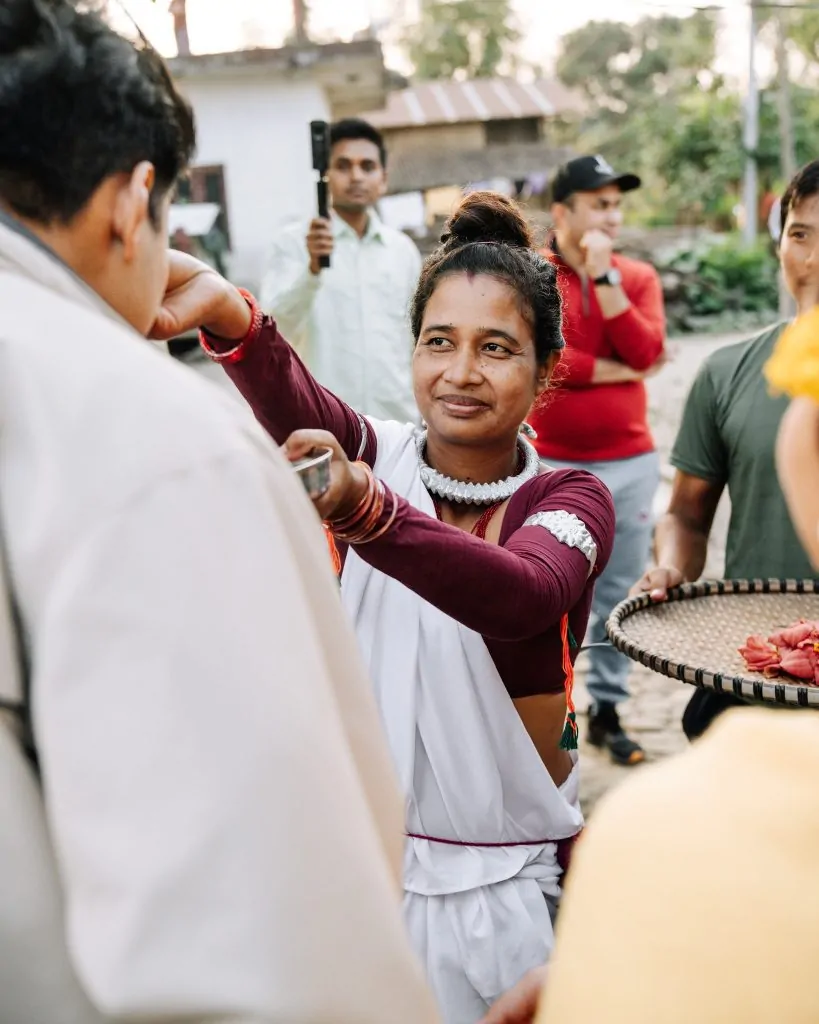
Morning begins with a guided safari led by an experienced naturalist. You move quietly through grasslands and forests, spotting rhinos, deer, and if you’re fortunate, a sloth bear. The afternoon is yours to rest, journal, or nap in a hammock. Later, a canoe ride down the Rapti River offers a different perspective: kingfishers darting overhead, marsh mugger crocodiles sunning on the banks. The evening might include a cultural program highlighting Tharu culture of Chitwan, or simply a quiet dinner under the stars.
Day 3: Reflection and Return
Breakfast is leisurely. No rush. You take a final walk, breathe in the morning air, and prepare to return to Kathmandu, not depleted, but replenished. Monday doesn’t feel like a collision. It feels like a continuation of clarity you’ve just reclaimed.
This kind of experience thrives when logistics fade into the background. That’s why staying at a resort that integrates guided safaris seamlessly, like luxury resort options in Chitwan, makes all the difference.
Why a Resort That Integrates Guided Safaris Matters
Not all accommodations in Chitwan are created equal. Some require you to coordinate safaris separately, adding layers of planning to what should be a restorative experience. The best nature retreat Nepal offers aren’t just about where you sleep. They’re about how the entire experience is designed.
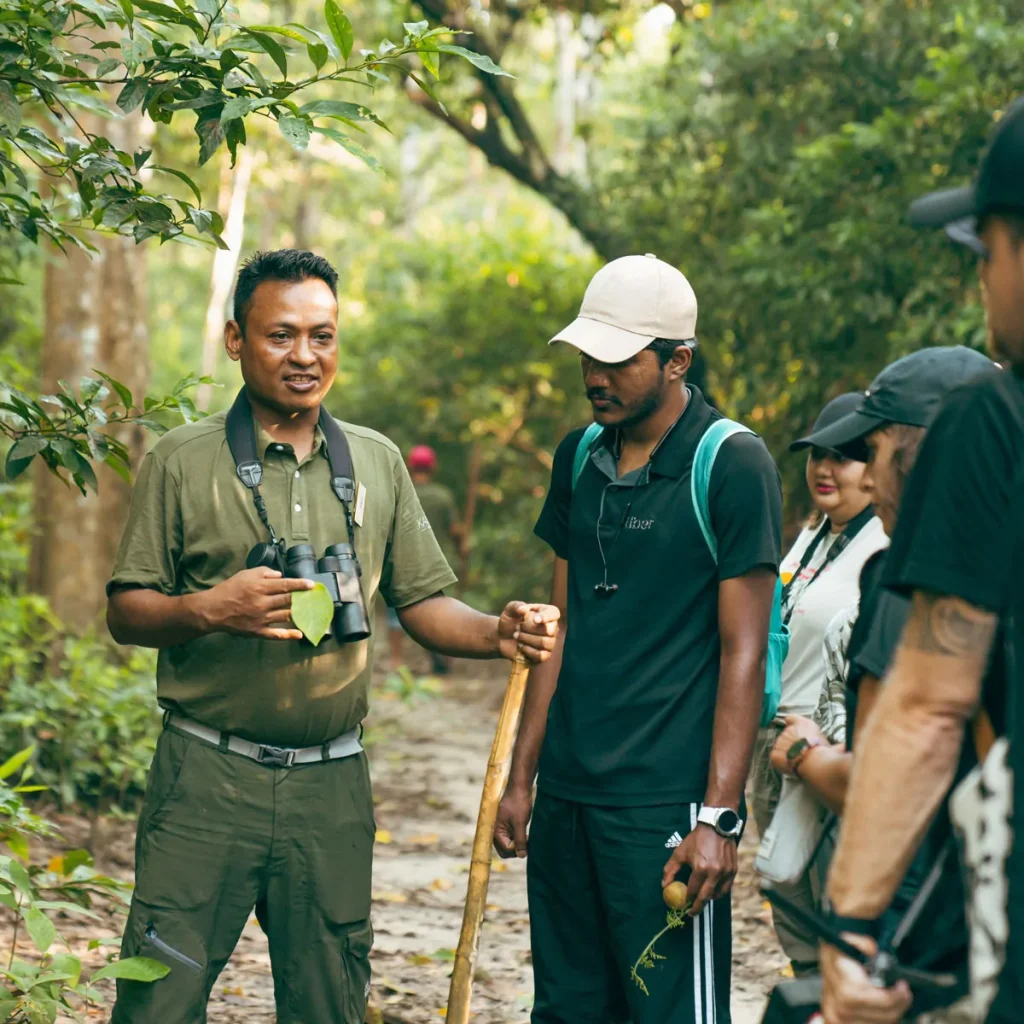
At Kasara Chitwan, in-house naturalists eliminate friction. Your guide knows the jungle intimately, understands animal behavior, and can adjust timing based on weather and wildlife movement. Everything, from morning safaris to canoe rides, is curated but never rigid. There’s a balance between adventure and comfort, exploration and rest.
This integration matters because it protects the purpose of the trip. You’re not managing details. You’re experiencing them. For those exploring adventure activities in Chitwan, having expert coordination means you focus on the moment, not the logistics.
Who This Weekend Escape Is Perfect For
This isn’t a one-size-fits-all retreat. It’s for specific people seeking specific things:
Couples seeking meaningful time away from routine distractions. Chitwan offers intimacy without isolation: private moments framed by shared wonder.
Professionals needing a reset before a big project or after an intense quarter. The jungle offers perspective that no city café can.
Families wanting safe, guided exploration where children learn about wildlife in a hands-on, memorable way.
Corporate leaders planning mindful retreats that blend team bonding with genuine restoration. For those coordinating group experiences, exploring corporate retreat options in Chitwan can provide structured yet meaningful frameworks.
Each group finds something different here. But all leave with the same feeling: clarity.
The Balance Between Energy and Stillness
Kathmandu gives you momentum. Chitwan gives you clarity. The goal isn’t to leave one behind. It’s to return to the city with more presence. To engage with its energy without being consumed by it. To carry a piece of the jungle’s stillness back into meetings, creative projects, and daily life.
This weekend escape from Kathmandu isn’t an indulgence. It’s maintenance. It’s how you sustain the very energy that makes the city so magnetic in the first place. Because the most vibrant life isn’t lived at a single speed. It’s lived in rhythm: movement and stillness, intensity and ease, city pulse and jungle breath.
And sometimes, all it takes is two nights in the wild to remember that.
FAQs
1. How far is Chitwan from Kathmandu and how long does it take?
Chitwan is approximately 150-180 kilometers from Kathmandu. By road, it takes about 5-6 hours depending on traffic. Alternatively, take a 25-minute flight to Bharatpur, followed by a 30-minute drive to Chitwan, making it perfectly accessible for a weekend trip.
2. Is 2 nights enough for a Chitwan trip?
Yes, 2 nights is sufficient for a meaningful Chitwan experience. This allows time for morning jungle safaris, canoe rides, cultural programs, and wildlife spotting while still having time to relax. A well-planned 2-night itinerary provides the perfect balance between adventure and restoration.
3. What is the best time to visit Chitwan for a weekend trip?
The best time is October to March when weather is pleasant and wildlife viewing is optimal. However, Chitwan is a year-round destination. Winter months offer clearer jungle views, while monsoon season brings lush greenery and fewer crowds.
4. What should I pack for a 2-night weekend trip to Chitwan?
Pack light, comfortable clothing in neutral colors, sturdy walking shoes, sunscreen, insect repellent, a hat, sunglasses, and a light jacket for early morning safaris. Don’t forget your camera and binoculars. Most resorts provide essentials, so you can travel light.
5. How much does a weekend trip from Kathmandu to Chitwan cost?
Costs vary based on accommodation and transportation. Budget options start from NPR 8,000-12,000 per person for 2 nights, mid-range resorts range from NPR 15,000-25,000, while luxury experiences with all-inclusive packages typically cost NPR 30,000-50,000+ per person.