

Your First Jungle Safari in Chitwan: Everything You Should Know Before You Go
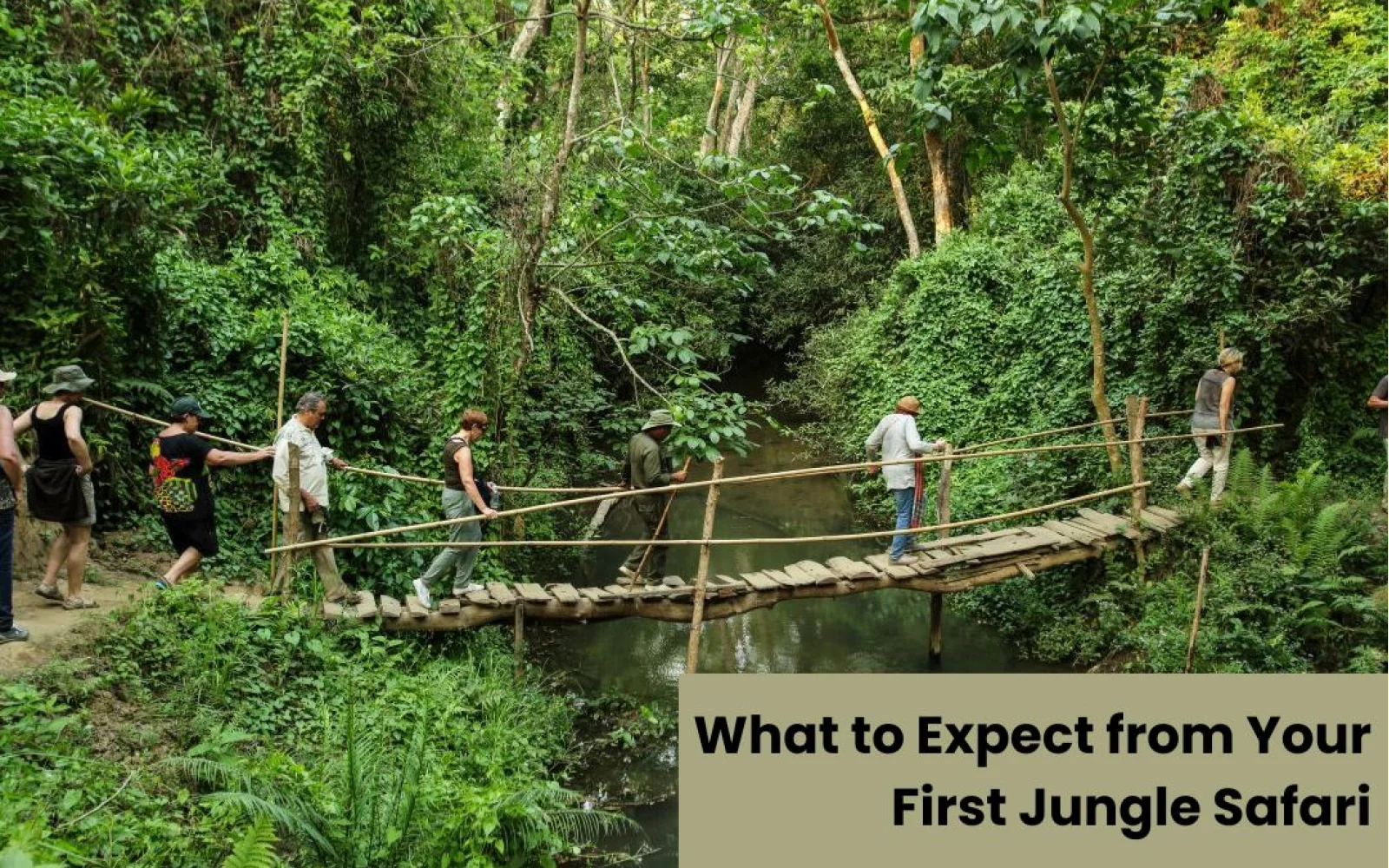
There’s a moment right after the jeep engine cuts off and your guide signals everyone to stay quiet when the jungle takes over. No city noise, no background hum of anything familiar. Just the creak of bamboo, the distant alarm call of a deer, and the sudden, very real awareness that you are no longer at the top of the food chain.
That’s your first Chitwan jungle safari be like.
When you plan your first visit to Chitwan National Park, you’re in for something genuinely unforgettable. But this is only possible if you go with the right expectations, the right gear, and a little insider knowledge, which makes all the difference between a good trip and a great one. Here’s everything you need to know before you go.
What Your First Jungle Safari in Chitwan Actually Feels Like
Entering the Jungle for the First Time
The atmosphere shifts the second you pass through the park boundary. The light changes: filtered, dappled, lower. The temperature drops a notch. And the sounds you couldn’t identify before start to layer on top of each other: birds calling overhead, rustling somewhere in the tall elephant grass, water moving in the distance.
Most first-time visitors expect a theme park version of wildlife. What they find instead is something rawer and more honest. Animals don’t perform on cue. The jungle has its own rhythm, and you’re just a guest moving through it.
That uncertainty? That’s actually the best part.
How Guides Track Wildlife
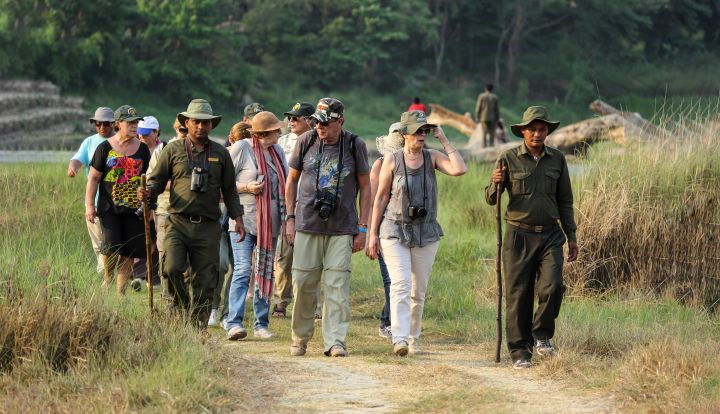
Your naturalist guide is reading the jungle like a language you don’t speak yet, but you’ll start to pick it up. A fresh rhino footprint pressed deep into the mud tells them how recently it passed and roughly which direction it headed. A sudden burst of spotted deer alarm calls from the treeline signals that something large is nearby and moving.
Experienced guides at Chitwan also listen for bird behaviour. The way certain species go silent or scatter is its own kind of warning system. This is what separates a guided safari from simply walking through a forest. You’re not just seeing the jungle; you’re learning to read it.
The Moment You Spot Your First Animal
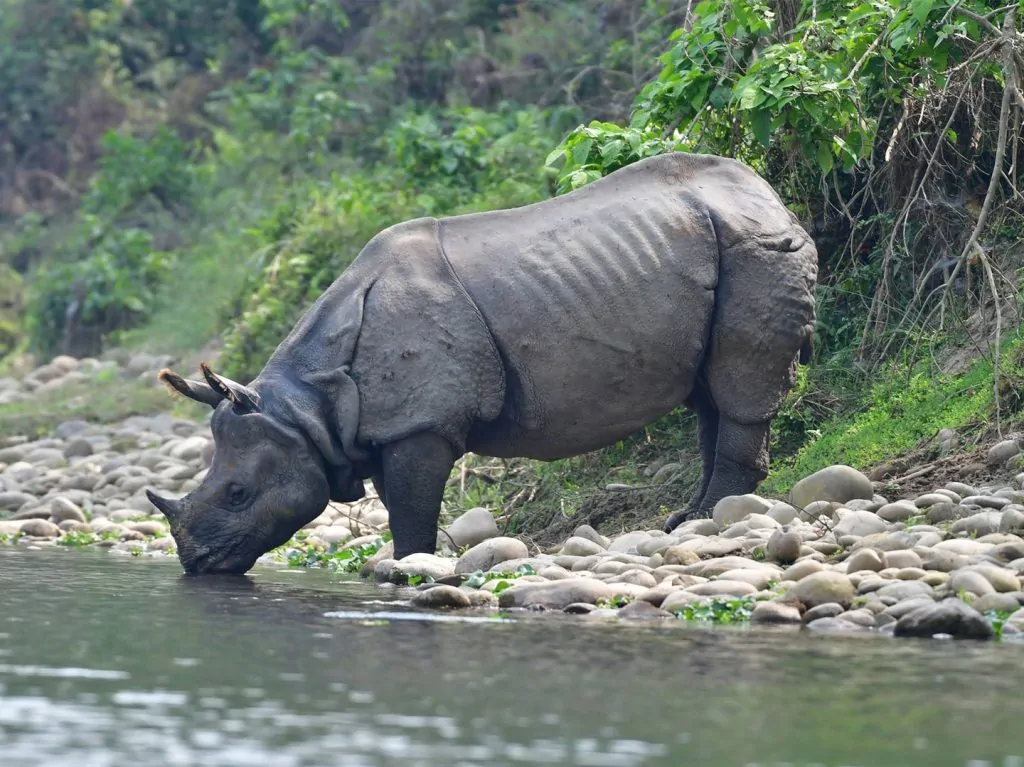
Nothing else really compares to the first time a Greater One-Horned Rhinoceros steps out of the grass twenty metres from your jeep. It’s enormous, prehistoric-looking, and somehow completely unbothered by your presence. Your guide will tell you to stay still and keep your voice down. What they won’t tell you is that you probably won’t be able to speak anyway.
That silence, the collective held breath of everyone in the vehicle, is something people talk about for years after their trip.
Wildlife You May Encounter on Your First Safari
Animals Commonly Spotted in Chitwan
Chitwan National Park is one of Asia’s most biodiverse protected areas, and the density of wildlife here is remarkable. On a typical safari, you can reasonably expect to encounter:
- Greater One-Horned Rhinoceros: Chitwan is home to a thriving population, and sightings are relatively frequent near water and open grassland areas.
- Spotted Deer (Chital): The most commonly seen animal in the park, often in large herds grazing in clearings.
- Rhesus Macaque: Frequently spotted near the jungle edges and river banks, completely at ease around safari vehicles.
- Gharial and Mugger Crocodiles: Often seen basking on the banks of the Rapti and Narayani rivers.
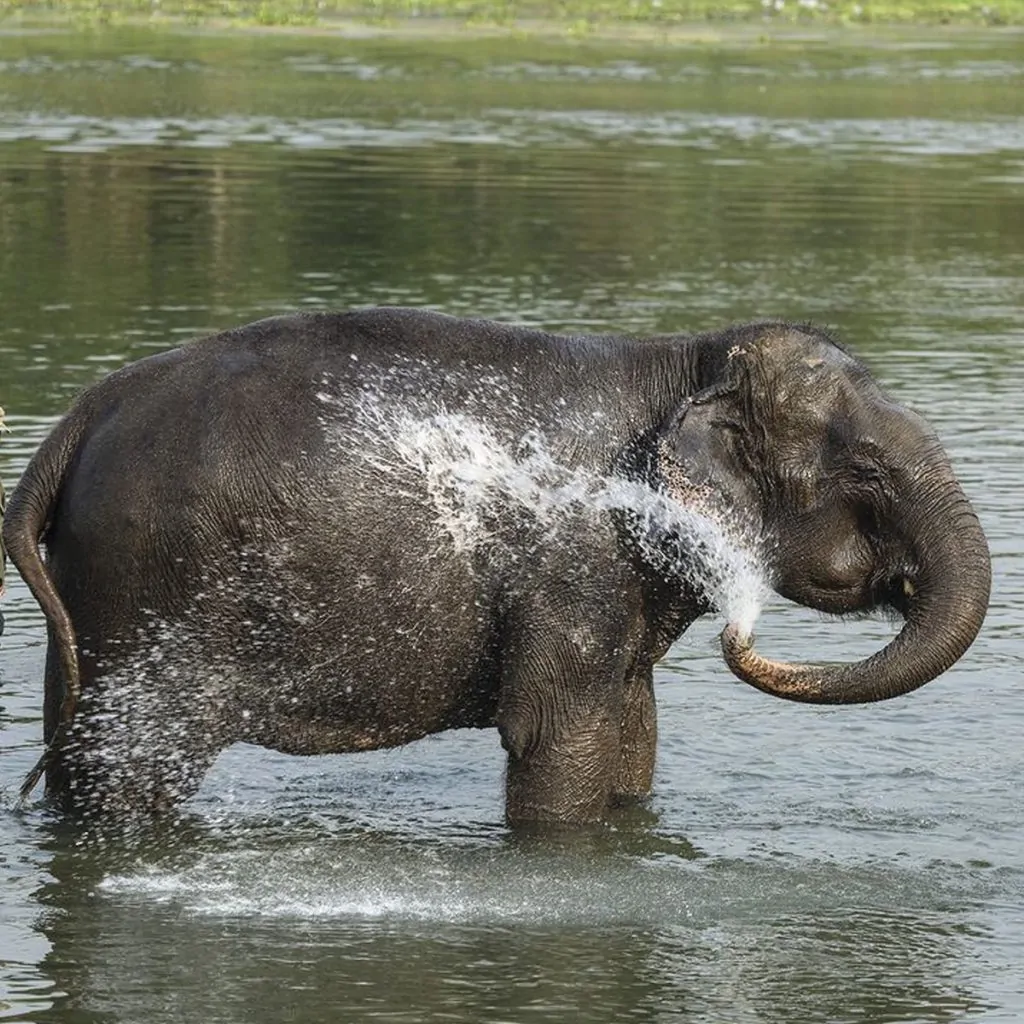
- Asian Elephant: Wild herds roam the park, and sightings, while not guaranteed, are among the most memorable.
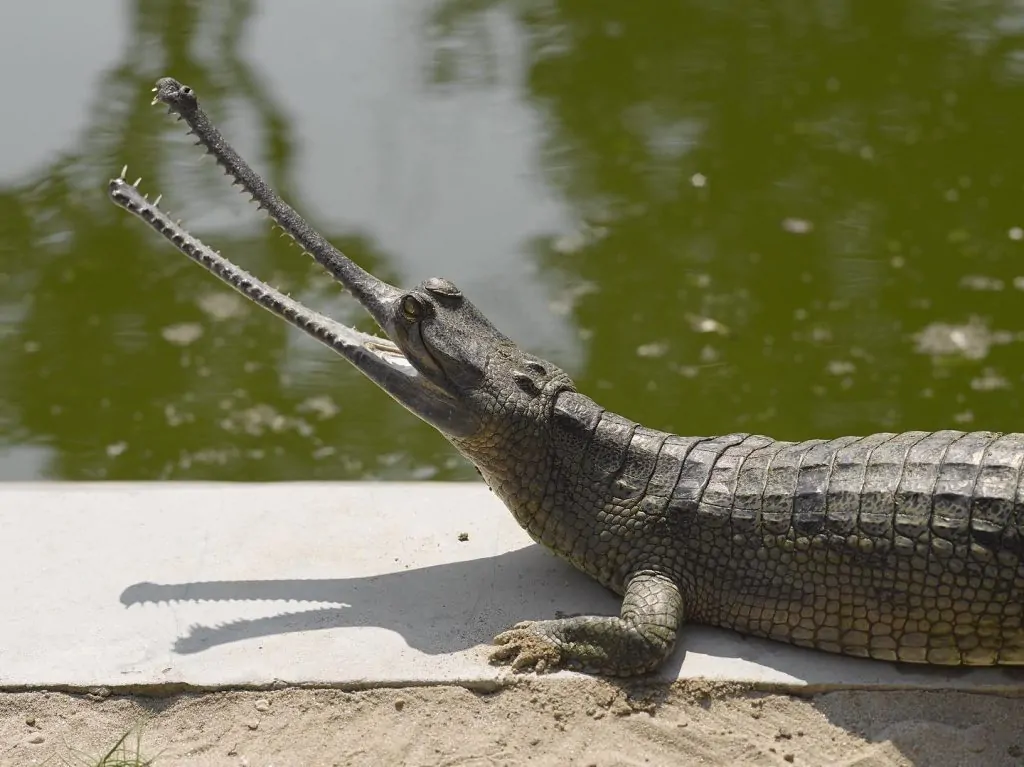
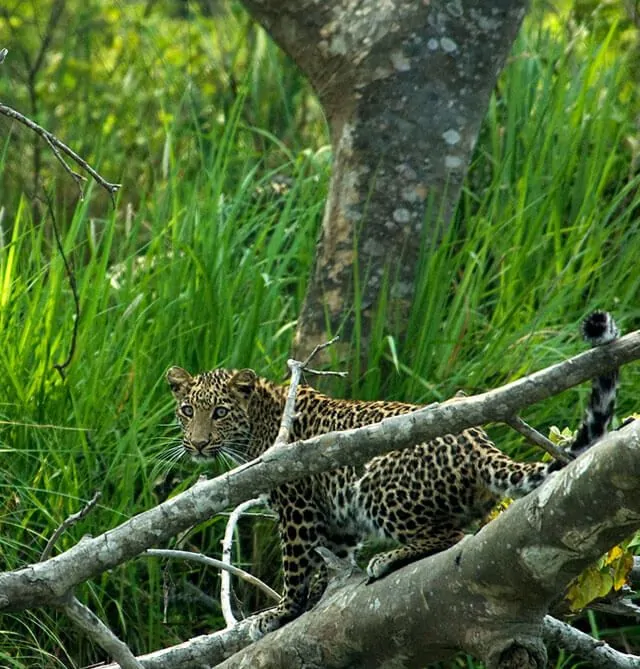
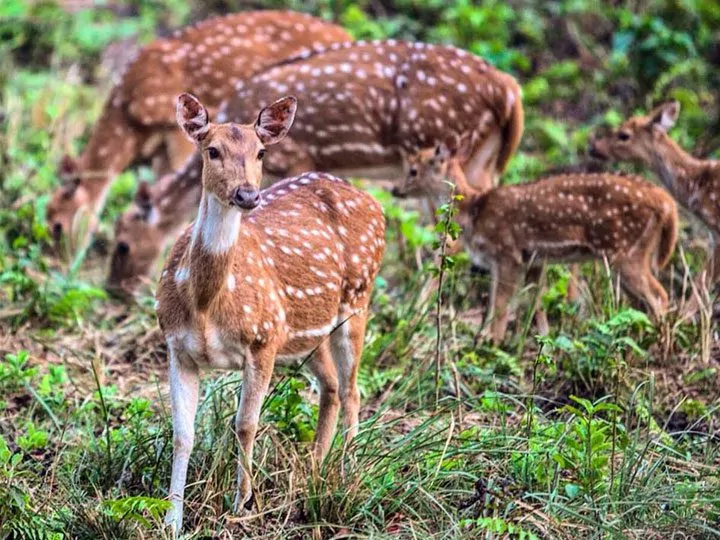
If you want to learn more about the animals you can spot on a Chitwan jungle safari, we have a dedicated blog on animals to spot in Chitwan. It’s worth reading up before your trip so you know what signs to look for.
Rare but Unforgettable Sightings
The Bengal Tiger is the wildlife experience everyone whispers about. Chitwan has one of the healthiest tiger populations in South Asia, yet a sighting is never promised, and that’s exactly what makes it special. Tigers are elusive, territorial, and largely nocturnal. If you see one, it’s a genuine piece of luck that veteran safari-goers spend years chasing.
Other rare sightings include the clouded leopard, sloth bear, and the Gangetic river dolphin in the park’s waterways. Go without expectations and you’ll never be disappointed, and you might just be amazed.
Common First-Time Safari Mistakes to Avoid
Every first-timer makes at least one of these. Save yourself the trouble:
- Expecting a guaranteed tiger sighting. Wildlife doesn’t follow a schedule. Go for the experience of the jungle itself, and anything else is a bonus.
- Wearing bright clothing. Red, white, and neon colours disturb animals and make you stand out in the canopy. Stick to earthy tones and neutrals.
- Talking loudly during safaris. Sound carries differently in the jungle. Guides ask for quiet for a reason because noise alerts animals long before you ever see them.
- Forgetting binoculars. A lot of the best sightings happen at distance, across a riverbank or in the treeline. Binoculars turn a blurry shape into a real moment.
- Skipping the early morning departure. Sleeping in is the single most common way to miss the park’s most active hours.
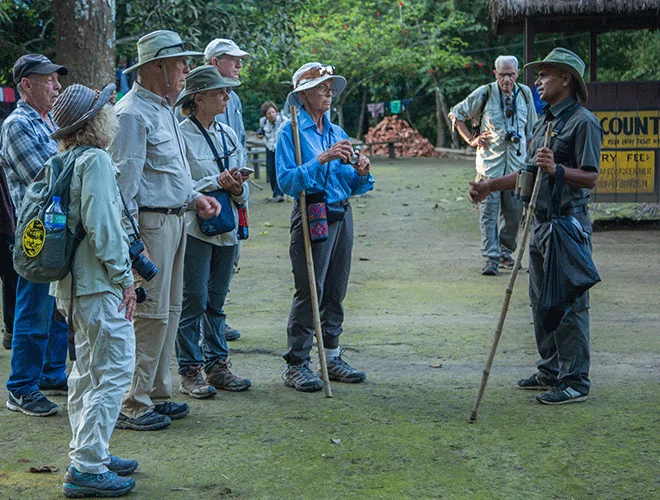
Along with this, you’ll get practical guidance and the mistakes you might make during a jungle visit by our expert Guides.
What to Wear and Pack for a Chitwan Safari
Clothing That Works Best in the Jungle
Think function over fashion here. The jungle is humid, occasionally muddy, and home to insects that appreciate exposed skin. The ideal safari outfit is built around a few basics: neutral colours like khaki, olive, tan, grey, and brown; lightweight breathable fabrics that handle heat well; long sleeves and trousers for early mornings and evenings when mosquitoes are most active; and closed-toe shoes over sandals on uneven jungle terrain.
For a complete packing list for Chitwan National Park, including what to leave behind, the full guide covers everything in detail.
Essential Safari Gear
Beyond clothing, a few items make a real difference to your experience:
- Binoculars: Non-negotiable for spotting wildlife at a distance.
- Camera with a zoom lens: Most animals won’t let you get close. A 200mm+ zoom gives you usable shots without disturbing them.
- Sunscreen: Particularly important during open jeep safaris where you’re exposed for hours.
- Insect repellent: DEET-based repellents work best in the Terai lowland climate.
- A light rain jacket: Weather in Chitwan can shift quickly, especially during shoulder seasons.
Best Times of Day for Wildlife Sightings
Morning Safari Advantages
The early morning safari, typically departing around 6:00 AM, is consistently the most productive for wildlife. The reasons are practical: temperatures are cooler, animals are more active after resting through the hottest part of the day, and the light is genuinely beautiful in the golden hour after sunrise.
Rhinos, deer, and birds are most visible during this window. The jungle is also quieter in a way that makes every sound feel significant. If you can only do one safari, make it the morning.
Late Afternoon Safari Experience
The late afternoon departure, usually around 3:00 PM, picks up again as the heat of midday passes. Animals begin moving toward water sources as the day cools, which concentrates wildlife near rivers and watering holes. The light in the final hours before sunset turns everything golden and makes for exceptional photographs.
This is also a good time to spot crocodiles along riverbanks and watch the park settle into its evening routine, one of those quieter, slower experiences that stays with you long after the big sightings fade.
For more on timing your visit by season, the best time to visit Chitwan guide breaks down exactly what to expect month by month.
What Makes Chitwan Safaris Unique Compared to Other Parks
Chitwan National Park isn’t just another wildlife destination. A few things genuinely set it apart.
Dense wildlife population. Decades of active conservation have resulted in one of the highest concentrations of Greater One-Horned Rhinoceros anywhere in the world, alongside thriving populations of tigers, elephants, and hundreds of bird species.
Varied ecosystems in one park. Chitwan contains Sal forests, riverine floodplains, oxbow lakes, and open grasslands, each supporting different species. A single day in the park can take you through multiple distinct habitats.
Expert local trackers. The naturalist guides in Chitwan carry generations of knowledge about this specific landscape. They know the trails, the animal territories, and the seasonal rhythms in a way that no outsider can replicate. Their presence transforms a drive through the jungle into something closer to a masterclass.
Where to Stay for the Best Safari Experience
Where you sleep in Chitwan shapes your entire experience. Staying close to the park boundary means you’re ready for early morning departures without a long transfer, and you’re already immersed in the sounds and atmosphere of the jungle from the moment you arrive.
Kasara Chitwan sits right at the edge of Chitwan National Park, making it one of the most well-positioned bases for safari in the region. With guided wildlife programs, expert naturalists, and comfortable accommodation that keeps you close to the wild, it’s a natural fit for first-time visitors who want the full experience without the logistics stress.
If you’re thinking about a structured visit, the all-inclusive Kasara Chitwan package takes care of safaris, meals, and activities in one place.
Conclusion
There’s something about the jungle that doesn’t let you go easily. It’s not just the animals, though those moments (the rhino stepping out of the grass, the deer frozen in the treeline, the distant roar you hear just before dawn) are genuinely extraordinary. It’s the whole texture of the experience.
The quiet that isn’t really quiet. The way your guide crouches to read a footprint like a sentence. The afternoon light slanting through the Sal trees. The feeling of being somewhere that operates entirely on its own terms, indifferent to your schedule.
Your first safari in Chitwan will almost certainly not go exactly as you imagined. It will probably be better. And if you come back, and most people do, it will be different again.
That’s the jungle. It doesn’t repeat itself.
FAQs
1. Do you need to book a jungle safari in advance in Chitwan?
During peak travel seasons, many visitors choose to book their safari in advance through hotels/resorts or tour operators. While last-minute bookings are sometimes available, reserving ahead ensures you get your preferred safari time and guide.
2. How close do you get to wildlife during a Chitwan safari?
Wildlife encounters in Chitwan can be surprisingly close, especially when exploring grasslands and riverbanks. However, guides always maintain a safe distance to protect both visitors and animals, particularly species like the Greater One-Horned Rhinoceros.
3. Are jungle safaris in Chitwan suitable for families with children?
Yes, many safari activities are family-friendly. Jeep safaris are often the best option for families because they are comfortable and allow children to safely observe wildlife from a vehicle while guided by experienced naturalists.
4. How many days should you spend in Chitwan for the best safari experience?
Most travelers stay 2–3 days to fully enjoy the park. This allows time for multiple safaris, wildlife spotting, cultural experiences, and relaxation near the jungle landscapes surrounding Chitwan National Park.
5. Can you take photos during a jungle safari in Chitwan?
Yes, photography is encouraged. Visitors often capture wildlife, landscapes, and birdlife during safaris. A camera with a zoom lens is especially helpful for photographing animals from a safe distance.